


Interior Decor Ideas That Reflect Personality
Michael Hawthorne September 23, 2025
A home should be a reflection of the individuals who live there, capturing their tastes, preferences, and unique character. Interior decor ideas that reflect personality focus on creating spaces that are both functional and expressive. By thoughtfully combining colors, textures, furniture, and personal items, homeowners can transform living areas into environments that showcase individuality while maintaining comfort and harmony.
This article explores practical interior decor strategies that allow residents to express their personality through design, from furniture selection and color palettes to art, accessories, and personalized spaces.
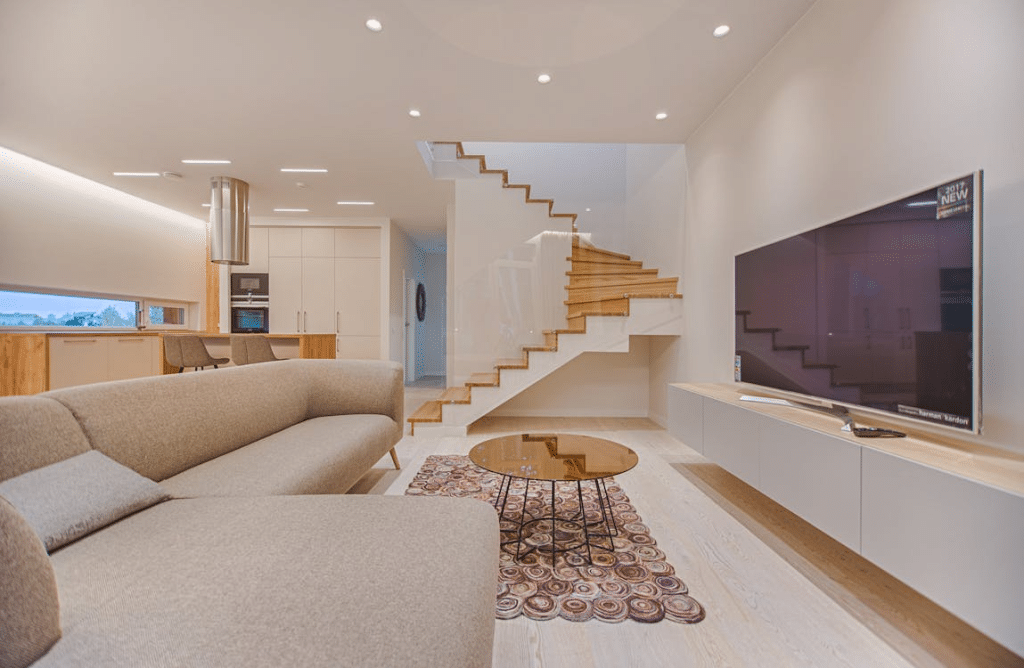
A home should be a reflection of the individuals who live there, capturing their tastes, preferences, and unique character. Interior decor ideas that reflect personality focus on creating spaces that are both functional and expressive. By thoughtfully combining colors, textures, furniture, and personal items, homeowners can transform living areas into environments that showcase individuality while maintaining comfort and harmony.
This article explores practical interior decor strategies that allow residents to express their personality through design, from furniture selection and color palettes to art, accessories, and personalized spaces.
1. Embrace Personalized Color Schemes
Color influences mood, energy, and self-expression.
- Select primary colors that resonate with your personality, whether bold, calming, or vibrant.
- Use accent colors in accessories, furniture, or artwork to highlight interests or tastes.
- Experiment with color psychology to create spaces that reflect emotional and aesthetic preferences.
Journal of Environmental Psychology (2022) reports that color choices in home decor influence perception, mood, and the overall atmosphere of a space.
2. Curate Artwork and Wall Displays
Art is a direct reflection of personal interests and creativity.
- Display original artwork, prints, or photographs that hold personal significance.
- Mix framed pieces, canvases, and wall sculptures to create dynamic visual interest.
- Consider rotating art displays to reflect evolving tastes and seasonal themes.
Frontiers in Psychology (2022) emphasizes that personal artwork enhances emotional connection and cognitive engagement within living spaces.
3. Incorporate Unique Furniture Pieces
Furniture selection conveys style and personality.
- Choose statement pieces such as vintage chairs, designer tables, or custom-built furniture.
- Mix modern, classic, and eclectic styles to express individuality.
- Consider functional aesthetics, balancing comfort, durability, and visual appeal.
Harvard Business Review (2023) highlights that thoughtful furniture selection contributes to perceived style, usability, and personal expression in interior spaces.
4. Display Personal Collections
Collections of books, memorabilia, or artifacts add character and narrative.
- Arrange bookshelves or display cases to showcase collections in an organized manner.
- Use thematic groupings or color coordination for visual harmony.
- Incorporate interactive displays that encourage engagement and storytelling.
Journal of Environmental Psychology (2022) reports that personal collections create meaningful connections, stimulate memory, and enrich the home environment.
5. Integrate Textures and Materials
Textures and materials communicate style and evoke sensory experiences.
- Combine wood, metal, glass, and fabric for depth and contrast.
- Use rugs, cushions, and throws to introduce tactile variety.
- Experiment with layered textures to create warmth, dimension, and visual interest.
Frontiers in Psychology (2022) notes that diverse textures in home design enhance sensory engagement and reinforce personality expression.
6. Utilize Statement Lighting
Lighting impacts mood, focus, and aesthetic appeal.
- Choose chandeliers, pendant lights, or artistic lamps as focal points.
- Use warm, ambient lighting to create cozy and inviting atmospheres.
- Incorporate task lighting to balance functionality with design.
Lighting Research & Technology (2022) emphasizes that lighting choices influence perception, mood, and the overall sense of identity within a space.
7. Create Functional and Personalized Spaces
Design spaces that reflect personality while serving practical needs.
- Design home offices, reading nooks, or hobby areas aligned with personal interests.
- Use custom storage solutions to organize and highlight personal items.
- Ensure flow and ergonomics support lifestyle and daily routines.
Journal of Environmental Psychology (2022) highlights that functional personalization improves satisfaction, efficiency, and emotional connection to home spaces.
8. Incorporate Greenery and Natural Elements
Plants and natural elements add life, vibrancy, and personal expression.
- Include indoor plants, flowers, or terrariums to reflect environmental interests.
- Use natural materials such as wood, stone, or bamboo in decor.
- Create mini indoor gardens or window herb boxes to personalize space.
Frontiers in Psychology (2022) reports that biophilic design and greenery enhance well-being, creativity, and connection to natural environments.
9. Experiment with Patterns and Prints
Patterns add energy, personality, and visual interest.
- Mix geometric, floral, or abstract prints in textiles, wallpaper, or furniture.
- Balance patterns with neutral backgrounds to avoid visual overload.
- Use accent walls or rugs to showcase bold personality statements.
Harvard Business Review (2023) emphasizes that thoughtfully chosen patterns communicate style, creativity, and individuality.
10. Rotate Decor and Seasonal Elements
Updating decor reflects evolving personality and creativity.
- Incorporate seasonal decor, colors, or textiles to refresh spaces.
- Swap artwork, cushions, or accessories periodically to reflect changing tastes.
- Maintain core functional pieces while allowing for flexible, expressive updates.
Journal of Environmental Psychology (2022) notes that rotating decor maintains engagement, prevents stagnation, and allows personality expression to evolve naturally.
Conclusion
Interior decor ideas that reflect personality include personalized color schemes, curated artwork, unique furniture, personal collections, diverse textures, statement lighting, functional spaces, greenery, patterns, and seasonal updates.
By thoughtfully combining these strategies, homeowners can create living spaces that express individuality, enhance comfort, and support a harmonious, inspiring environment. Interior design becomes not only a matter of aesthetics but also a medium for personal storytelling, creativity, and meaningful engagement with one’s home.
References
Journal of Environmental Psychology (2022). Personalization and Home Environment. Available at: https://www.journals.elsevier.com/journal-of-environmental-psychology
Frontiers in Psychology (2022). Cognitive and Emotional Impact of Personalized Interiors. Available at: https://www.frontiersin.org
Harvard Business Review (2023). Design Choices and Emotional Wellbeing. Available at: https://hbr.org
Lighting Research & Technology (2022). Influence of Lighting on Mood and Perception. Available at: https://journals.sagepub.com/home/lrt

 Travel Destinations That Inspire Cultural Engagement