Interior Design Ideas That Encourage Productivity
Michael Hawthorne September 25, 2025
Productivity is influenced not only by habits but also by the environment in which you work. Interior design ideas that encourage productivity focus on creating spaces that promote focus, efficiency, and motivation. Thoughtful design choices, including furniture, lighting, color schemes, and layout, can have a measurable impact on work output and mental clarity.
This article explores practical design strategies for creating spaces that optimize productivity. It covers ergonomic solutions, organizational methods, and other interior elements that support mental and physical performance at home or in the office.
1. Ergonomic Furniture for Comfortable Work
Ergonomic furniture ensures proper posture and reduces physical strain, which is essential for productivity.
- Adjustable chairs: Chairs with lumbar support, height adjustment, and armrests promote comfort and reduce fatigue.
- Standing desks: Alternating between sitting and standing reduces back pain and increases alertness.
- Ergonomic accessories: Keyboard trays, monitor stands, and footrests help maintain proper alignment and comfort.
Ergonomics Journal (2023) notes that ergonomic furniture enhances focus, reduces discomfort, and prevents work-related injuries, all contributing to higher productivity.
2. Natural Lighting and Task Lighting
Lighting plays a critical role in productivity and overall wellbeing.
- Maximize daylight: Place desks near windows to take advantage of natural light, which boosts mood and reduces fatigue.
- Task lighting: Use adjustable desk lamps to illuminate work surfaces without causing glare.
- Layered lighting: Combine ambient, accent, and task lighting to create a flexible environment suitable for different tasks.
Journal of Environmental Psychology (2023) reports that natural and well-planned artificial lighting improves focus, reduces eye strain, and enhances cognitive performance.
3. Color Psychology for Focus
Color influences emotions and can impact productivity levels.
- Blues and greens: Promote calmness and focus, making them ideal for workspaces.
- Accents of yellow: Stimulate creativity and energy, particularly in brainstorming areas.
- Neutral backgrounds: Light greys or whites reduce visual distractions while providing a clean and professional appearance.
Frontiers in Psychology (2023) highlights that using color strategically in interiors can improve focus, motivation, and overall mental performance.
4. Organized Workspaces and Storage Solutions
Clutter-free environments support mental clarity and productivity.
- Shelving and cabinets: Keep documents, supplies, and equipment organized and accessible.
- Drawer organizers: Minimize distraction by keeping small items in order.
- Declutter regularly: Remove unnecessary items from desks and work areas to maintain a clean and focused environment.
Journal of Interior Design (2023) emphasizes that organization and storage solutions reduce cognitive load, making it easier to concentrate on tasks.
5. Biophilic Design Elements
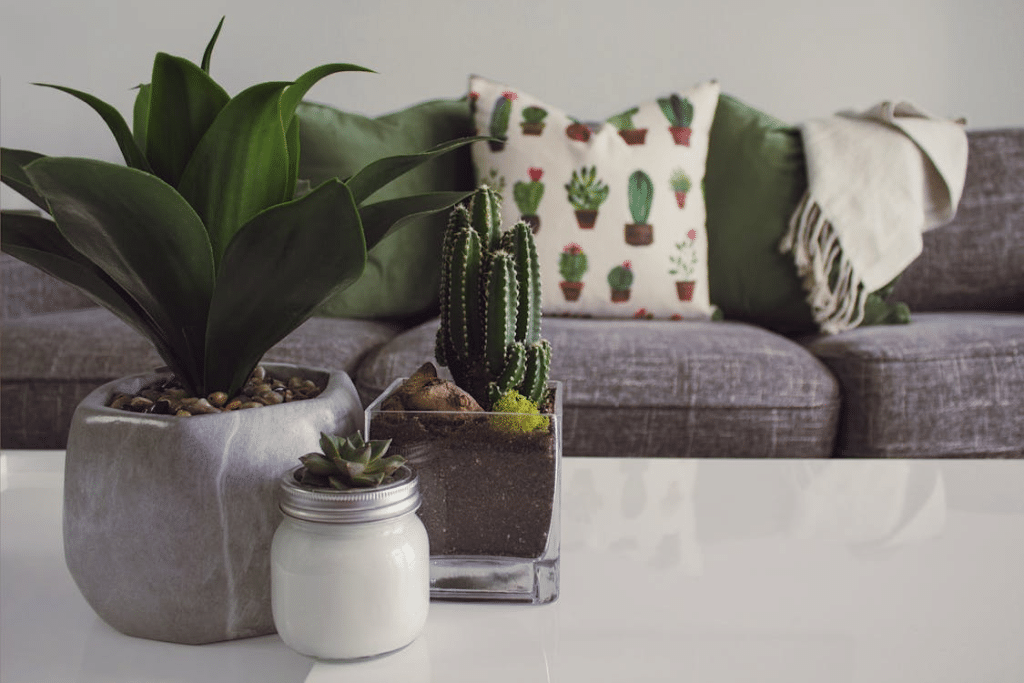
Incorporating natural elements into workspaces can boost focus and reduce stress.
- Indoor plants: Improve air quality, reduce stress, and create a calming atmosphere.
- Natural materials: Wood, stone, and bamboo in furniture and decor enhance comfort and connection to nature.
- Views of nature: Position workstations near windows with outdoor views to increase mental wellbeing.
Frontiers in Psychology (2023) notes that biophilic design improves productivity by enhancing mood, reducing fatigue, and promoting cognitive function.
6. Noise Management for Concentration
Managing sound levels is essential to minimize distractions and maintain focus.
- Soundproofing: Use acoustic panels or rugs to reduce echo and external noise.
- Noise-canceling headphones: Provide focused listening environments for work requiring concentration.
- White noise or ambient sounds: Help mask distracting noises and maintain attention.
Journal of Environmental Psychology (2023) reports that controlling noise in workspaces enhances focus, reduces stress, and improves overall productivity.
7. Flexible Layouts for Different Tasks
A well-designed layout can support various work styles and activities.
- Separate zones: Create distinct areas for focused work, collaboration, and relaxation.
- Modular furniture: Allows easy rearrangement for meetings or group activities.
- Flow and accessibility: Ensure pathways are clear and tools are within reach to reduce wasted movement.
Journal of Interior Design (2023) emphasizes that flexible layouts promote efficiency, adaptability, and effective task management.
8. Technology Integration
Integrating technology thoughtfully can enhance productivity while keeping the workspace organized.
- Cable management: Reduce clutter by organizing cables with clips, trays, or hidden channels.
- Docking stations: Facilitate seamless connection of laptops and peripherals for flexible work setups.
- Smart devices: Use smart lighting and climate controls to maintain optimal comfort and energy levels.
Harvard Business Review (2023) highlights that technology integration increases efficiency and reduces distractions, enabling smoother workflow.
9. Personalization for Motivation
A workspace that reflects individual tastes and preferences can boost engagement and motivation.
- Decor and artwork: Include items that inspire creativity and positivity.
- Personal mementos: Photos or meaningful objects can provide emotional comfort and motivation.
- Customizable elements: Adjustable furniture or lighting tailored to personal preference enhances satisfaction and productivity.
Frontiers in Psychology (2023) notes that personalized workspaces foster a sense of ownership, improving focus and overall work performance.
10. Incorporate Relaxation and Micro-Break Areas
Even productive environments benefit from spaces designed for relaxation.
- Quiet corners: Include small areas for reading, reflection, or brief breaks to reset mental energy.
- Comfortable seating: Soft chairs or lounge furniture encourage short restorative breaks.
- Mindfulness tools: Use calming scents, low lighting, or ambient sounds to promote relaxation during breaks.
Harvard Health Publishing (2023) emphasizes that micro-breaks and relaxation areas reduce burnout, improve concentration, and enhance long-term productivity.
Conclusion
Interior design ideas that encourage productivity combine ergonomics, organization, lighting, color, and personalization to create spaces that support focus and efficiency. By investing in ergonomic furniture, natural light, biophilic elements, and flexible layouts, individuals can improve both mental clarity and physical comfort.
Thoughtful workspace design promotes sustained productivity, reduces stress, and creates an environment where creativity and focus can thrive. Applying these strategies ensures that your home or office supports your professional and personal goals.
References
Journal of Interior Design (2023). Workspace Design and Productivity. Available at: https://www.journals.sagepub.com/home/jid
Frontiers in Psychology (2023). Biophilic Design and Work Performance. Available at: https://www.frontiersin.org
Journal of Environmental Psychology (2023). Lighting, Color, and Productivity. Available at: https://www.journals.elsevier.com/journal-of-environmental-psychology
Harvard Health Publishing (2023). Workplace Design and Mental Wellbeing. Available at: https://www.health.harvard.edu
Ergonomics Journal (2023). Ergonomic Furniture and Focus. Available at: https://www.tandfonline.com/journals/terg20

 Emerging Trends in Corporate Social Responsibility