How Smart Home Systems Improve Daily Convenience
Michael Hawthorne September 17, 2025
In 2025, smart home systems revolutionize daily life by automating tasks, enhancing efficiency, and aligning with sustainable living trends. These technologies, powered by AI, IoT, and voice assistants, simplify routines and optimize resource use. Drawing on insights from sustainable home hacks and tech-driven trends, this article explores how smart home systems improve convenience, with practical strategies and current references.
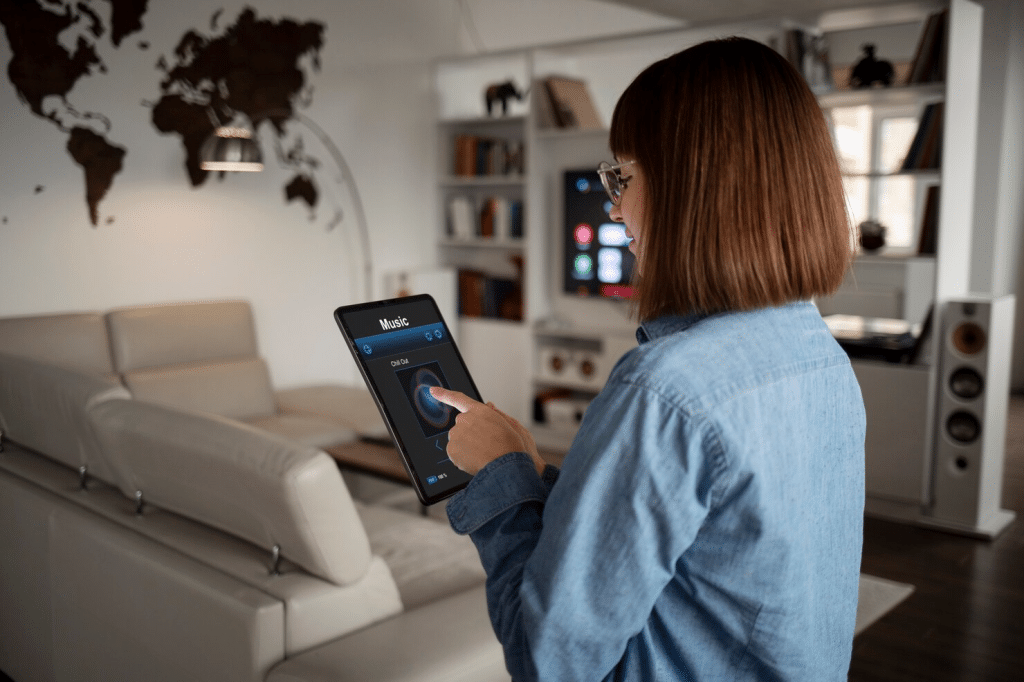
Why Smart Home Systems Matter for Convenience in 2025
Smart home systems in 2025 streamline daily tasks, save time, and reduce energy waste, with 65% of households adopting at least one smart device. These systems enhance comfort, security, and sustainability, aligning with modern demands for efficiency and eco-conscious living. By integrating seamlessly into routines, they make life more convenient and adaptable.
Key Ways Smart Home Systems Improve Daily Convenience
Here are the primary ways smart home systems enhance everyday life:
1. Automated Lighting Control
Smart lights adjust to schedules and preferences for effortless ambiance.
- How It Works: Use smart bulbs like Philips Hue or LIFX, controlled via apps or voice assistants like Alexa, to automate lighting based on time or occupancy.
- Real-Life Impact: A family sets lights to dim at bedtime, creating a cozy atmosphere without manual adjustments.
- Benefit: Saves time and energy while enhancing comfort.
- Tip: Install one smart bulb in a high-use area, like the living room, to test automation.
2. Smart Thermostats for Climate Control
Regulate home temperatures with minimal effort.
- How It Works: Devices like Google Nest or Ecobee learn routines and adjust heating/cooling, controllable remotely via apps.
- Real-Life Impact: A remote worker lowers heating during work hours, maintaining comfort and efficiency.
- Benefit: Reduces energy use and simplifies climate management.
- Tip: Program a smart thermostat for one daily schedule to optimize comfort.
3. Voice-Activated Assistants
Control devices hands-free for seamless multitasking.
- How It Works: Use Alexa, Google Assistant, or Siri to manage lights, music, or schedules with voice commands, integrating with smart hubs.
- Real-Life Impact: A parent sets reminders and plays music hands-free while cooking.
- Benefit: Enhances multitasking and accessibility, especially for busy households.
- Tip: Try one voice command, like setting a timer, to explore assistant features.
4. Smart Security Systems
Monitor and secure homes with real-time alerts.
- How It Works: Install systems like Ring or Arlo with cameras and motion sensors, sending alerts via apps for remote monitoring.
- Real-Life Impact: A homeowner checks a doorbell camera while away, ensuring package safety.
- Benefit: Provides peace of mind and simplifies home security.
- Tip: Start with a single smart camera for front-door monitoring.
5. Automated Appliances
Streamline chores with connected devices.
- How It Works: Use smart plugs (e.g., TP-Link Kasa) or appliances like robotic vacuums (e.g., Roomba) to automate tasks like cleaning or coffee brewing.
- Real-Life Impact: A professional schedules a vacuum to clean daily, saving time for work.
- Benefit: Reduces manual effort and aligns with sustainable efficiency.
- Tip: Plug one appliance into a smart plug to automate its schedule.
6. Integrated Smart Hubs
Centralize control for a cohesive smart home experience.
- How It Works: Hubs like Samsung SmartThings or Home Assistant connect devices for unified control via a single app or voice command.
- Real-Life Impact: A family uses a hub to manage lights, thermostat, and security from one app.
- Benefit: Simplifies device management and enhances user experience.
- Tip: Test a hub app with one or two devices to streamline control.
Practical Strategies for Using Smart Home Systems
Here’s how to integrate smart systems into daily life:
1. Start with One Device
Begin with a single smart device to build familiarity.
- How to Do It: Install a smart bulb or plug, using its app to set schedules or routines.
- Why It Helps: Reduces complexity and shows immediate convenience benefits.
- Tip: Try a free app like Google Home to control one smart device.
2. Create Custom Routines
Automate multiple tasks with unified commands.
- How to Do It: Use apps like Alexa or SmartThings to create routines, like “morning” to turn on lights and start coffee.
- Why It Helps: Simplifies daily tasks with one command or schedule.
- Tip: Set one routine, like “evening” for lights and thermostat, to test automation.
3. Prioritize Energy Efficiency
Choose devices that align with sustainability goals.
- How to Do It: Select energy-saving devices like LED smart bulbs or low-power thermostats, verified by ENERGY STAR ratings.
- Why It Helps: Reduces environmental impact and utility costs.
- Tip: Replace one traditional bulb with an LED smart bulb for efficiency.
4. Secure Your Smart Home
Protect devices from cyber threats.
- How to Do It: Use strong passwords, enable two-factor authentication, and update firmware via apps like LastPass or device dashboards.
- Why It Helps: Ensures privacy and safety in a connected home.
- Tip: Secure one device with a strong password to start.
5. Review and Optimize Monthly
Spend 15–20 minutes monthly assessing system performance.
- How to Do It: Check energy usage or device settings via apps like Notion or SmartThings, tweaking for efficiency.
- Why It Helps: Ensures systems remain convenient and cost-effective.
- Tip: Review one device’s settings, like a thermostat, each month.
Sample Routine for Smart Home Management
Here’s a routine to maximize convenience with smart systems:
- Daily:
- Morning (5 minutes): Adjust smart devices via app or voice for daily needs.
- Evening (5 minutes): Check security alerts or schedule overnight routines.
- Weekly:
- Sunday (10 minutes): Test a new routine or update device settings.
- Monthly:
- First Sunday (15 minutes): Review energy reports or add a new smart device.
- Quarterly:
- First week (20 minutes): Optimize all devices and update security settings.
Overcoming Common Smart Home Challenges
- Challenge: Complexity of setup.
Solution: Start with plug-and-play devices like smart bulbs for easy integration. - Challenge: Device compatibility issues.
Solution: Choose devices compatible with major hubs like Google Home or Alexa. - Challenge: Privacy concerns.
Solution: Use secure networks and disable unnecessary features like microphones.
Tools to Support Smart Home Systems
- Devices: Philips Hue, Google Nest, Ring for lighting, climate, and security.
- Hubs: Samsung SmartThings, Home Assistant for unified control.
- Apps: Alexa, Google Home for routine management.
- Security: LastPass, NordVPN for device protection.
- Tracking: Notion, Trello for system optimization.
The Bigger Picture: Smart Homes in 2025
In 2025, smart home systems align with trends toward sustainability, automation, and personalized living. By streamlining tasks like lighting, climate control, and security, these systems enhance convenience while reducing environmental impact. They empower users to create efficient, comfortable, and eco-conscious homes tailored to modern lifestyles.
Conclusion: Enhance Daily Life with Smart Homes
Smart home systems in 2025, from automated lighting to smart thermostats, transform daily convenience with efficiency and sustainability. Start with one device, create routines, and review monthly to optimize benefits. Begin today with a smart bulb or plug, and build a more convenient, eco-friendly home.
References:
Sustainable Smart Home Solutions 2025
https://www.thespruce.com/sustainable-smart-homes-2025/
Smart Home Trends for 2025
https://www.cnet.com/home/smart-home-trends-2025/
The Future of Smart Homes in 2025
https://www.forbes.com/sites/technology/2025/smart-homes/

 Emerging Innovations in Space Exploration