You Can Transform Small Spaces With These Room Design Ideas
November 27, 2025
Discover how even the tiniest rooms can feel spacious and stylish. Uncover practical room design strategies, smart storage solutions, and trending decor tips to make every square foot work for you. This guide explores clever techniques to visually expand your space and create a home that feels uniquely yours.
Unlocking More Space With Multi-Functional Furniture
Every square foot counts in a small room. Multi-functional furniture pieces, such as storage ottomans, sleeper sofas, and wall-mounted desks, have become essentials for people maximizing limited space. By choosing furniture that serves double duty—like beds with drawers underneath or coffee tables that open for extra storage—you create both order and adaptability. Placing versatile furniture along the perimeter helps keep the central living area feeling open. This approach is embraced by many interior designers, especially for city apartments and compact homes, helping to minimize clutter and keep necessary items out of sight.https://www.hgtv.com/design/decorating/design-101/maximize-small-spaces
Using furniture with hidden compartments or fold-away features allows for fast transformation of purpose. Want a guest to stay over? A Murphy bed or a convertible sofa provides a sleeping solution without permanently dedicating floor space. Folding dining tables or nesting stools can be tucked away when not needed. This practice does more than just increase functionality—it helps maintain a clean, versatile look that supports daily routines and special occasions alike. Choice in pieces impacts how a room feels and functions.
Designers often suggest starting with an inventory of your needs and activities. For example, do you require workspace, exercise, or extra storage? Once core needs are defined, sourcing pieces that adapt—like an extendable dining set or storage bench—will ensure your investment pays off long-term. Coordinating colors and materials maintains visual unity, helping the space seem bigger. Investing thoughtfully in multi-use furniture can completely change how you experience a small room.
Room Design Essentials: Playing With Light and Color
Lighting plays a powerful role in visually opening up a room. Using a combination of natural light, mirrors, and layered lighting helps bounce brightness around the space. Mirrors, placed opposite windows or as full-wall installations, reflect both sunlight and artificial light sources, tricking the eye into perceiving a larger area. Semi-sheer curtains further maximize the entry of natural brightness while still providing privacy. In compact spaces, consider wall sconces or ceiling fixtures that don’t occupy table or floor space. These methods keep the room feeling airy and open.https://www.architecturaldigest.com/story/how-to-make-a-room-look-bigger
Color selection matters too. Pale hues, like whites, soft grays, or pastels, reflect light better and make walls visually recede. A monochromatic color palette, where walls and trim are similar tones, blurs boundaries and lets the eyes wander without interruption. Even painting your ceiling a lighter color or adding an accent wall can impact perceptions of size. Glossy finishes on walls or furniture further amplify reflected light and contribute to a sense of depth and vibrancy in smaller rooms.
If dramatic or vibrant colors appeal to you, use them as strategic accents. Pops of bold color—on cushions, art, or a feature chair—draw focus without overwhelming the room. Keeping bigger surfaces neutral provides flexibility and maintains a spacious feel. This approach allows frequent updates to style and mood simply by switching textiles or accessories. Everyone has a color that sparks joy; integrating this carefully within a layered lighting scheme keeps a small space expressive and personal without making it feel closed in.
Smart Storage Tricks for Clutter-Free Living
Storage is often the biggest challenge in compact spaces. The key is to use every available inch—think under beds, over doors, and corners. Vertical storage units such as bookcases, floating shelves, and stacked bins capitalize on unused wall space and keep the floor open. Entryways can feature wall hooks and cubbies, allowing belongings to be stowed within arm’s reach but out of sight. Small closets transform with double rods or hanging organizers, making access easier. Creative cabinet inserts and roll-out pantry shelves help kitchens feel bigger without sacrificing function.https://www.realsimple.com/home-organizing/organizing/organizing-ideas-for-small-spaces
Furniture with storage, like beds with drawers or ottomans that lift open, provides hidden places to put blankets, linens, and seasonal items. Consider incorporating under-sofa bins or window seats with storage beneath the cushion. In bathrooms, above-the-toilet shelves and magnetic strips for small tools keep important items at hand yet discreetly organized. Labeling containers and using clear jars also helps, especially for keeping track of contents in deep cabinets or high shelves.
Decluttering regularly and having a place for everything are ongoing habits that maintain the feeling of spaciousness. The most successful room designs offer both display and concealment: floating shelves for favorite items, and closed cabinets or baskets for everyday clutter. If space allows, a dedicated command center for mail, electronics, and keys prevents hot spots of mess from forming. Keeping surfaces clear and adopting intentional storage habits are key strategies used by both professional organizers and homeowners to achieve an orderly, serene environment.
Maximize Style With Strategic Decor Choices
Small rooms benefit immensely from intentional decor. The right artwork, rug, or carefully chosen accent can anchor a space, add personality, and contribute to visual organization. When it comes to wall art, one large piece creates focus without creating busy-ness, while a gallery wall of several small frames in a cohesive color scheme brings structure. Rugs define functional zones and add softness underfoot, essential in open-plan or multi-use rooms. Choose patterns with scale appropriate to the space—smaller rooms often fare well with simple designs or uniform repeats.https://www.apartmenttherapy.com/small-space-decorating-ideas-367686
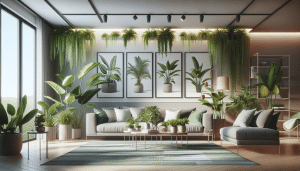
Plants bring life and freshness into enclosed spaces, improving air quality and offering lush contrast to hard surfaces. Compact pots on shelves, trailing vines in macrame hangers, or a slim vertical garden against a wall can make a room feel vibrant without taking up precious floor space. Selecting just a few statement accessories—such as a sculptural lamp, a bold throw, or distinctive cushion—ensures personality comes through while maintaining visual calm. A limited selection of cherished items makes decor feel curated, not crowded.
Mirrored or metallic finishes in lighting, small tables, or picture frames also help amplify brightness and depth. A glass coffee table, instead of a solid wood piece, visually disappears, letting other decor elements stand out. Always consider both scale and placement. Floating pieces, like wall-mount nightstands, keep the floor clear and draw the eye up. Thoughtful, intentional touches combine utility and style, making small rooms feel welcoming and uniquely personal.
Ideas for Optimizing Open and Shared Spaces
Many people share rooms or live in open-plan homes. The trick to delineating zones within one space is subtle division rather than firm barriers. Area rugs, open-backed shelves, or even curtains can separate sleeping areas from workstations, or dining nooks from lounges. These strategies keep each area useful without shrinking the space visually. Furniture placement is key: floating a sofa away from the wall or positioning a desk behind a sofa creates rooms-within-rooms without solid dividers.https://www.housebeautiful.com/room-decorating/small-spaces/g1078/small-space-solutions/
Doubling up on functionality is a winning approach. A bookshelf that acts as a room divider provides both privacy and storage. Portable carts serve as mobile bars, nightstands, or kitchen extensions—helpful for adapting to different activities. Flexible seating, such as poufs or stackable stools, accommodates guests without permanently occupying floor space. In shared children’s rooms, bunk beds or lofted beds free up play or study zones below, creating separate areas for different needs.
Sustaining harmony in multifunctional rooms also comes down to routines and respect for privacy. Use opaque containers for shared storage, set clear boundaries for communal versus personal space, and choose neutral backgrounds to tie diverse activities together. Regularly reviewing what you actually use—and adjusting room layout to current needs—helps these spaces keep working over time. Flexible and functional, shared rooms rival larger homes in comfort and customization when design is intentional.
Emerging Trends in Small Room Design
Current room design trends emphasize creativity, sustainability, and well-being. Modular furniture options, such as stackable cubes or reconfigurable sofas, adapt swiftly to life’s changes, from hosting friends to converting a study into a gym. There’s growing interest in incorporating eco-friendly materials, like bamboo, FSC-certified wood, and recycled textiles, into both furnishings and accessories. This not only supports environmental responsibility but also adds unique textures and a sense of authenticity to the space.https://www.elledecor.com/design-decorate/trends/g31754146/home-decor-trends/
Biophilic design—a focus on connecting interiors with nature—encourages large windows, plant walls, and even daylight-mimicking LED lighting in windowless rooms. The integration of smart home technology creates more opportunities to control lighting, temperature, and organization with less clutter. Apps and wireless controllers replace bulky switches or remotes, freeing up wall space and simplifying routines. These advances support overall wellness and provide new ways to personalize even the smallest environments.
Another trend is the use of wall beds, hidden desks, or built-in storage to create ‘disappearing’ functionality. These features make it possible to convert a living room into a guest room or a kitchen into a workspace at a moment’s notice. Designers predict that as urban living becomes more common, inventive approaches like modular walls and digitally controlled color schemes will continue to shape how small spaces are used. With innovation and intentionality, every room—no matter its size—can rise to meet life’s evolving demands.
References
1. HGTV. (n.d.). 20 Ways to Maximize a Small Space. Retrieved from https://www.hgtv.com/design/decorating/design-101/maximize-small-spaces
2. Architectural Digest. (n.d.). 17 Simple Tricks to Make Your Small Space Feel Larger. Retrieved from https://www.architecturaldigest.com/story/how-to-make-a-room-look-bigger
3. Real Simple. (n.d.). Organizing Ideas for Small Spaces. Retrieved from https://www.realsimple.com/home-organizing/organizing/organizing-ideas-for-small-spaces
4. Apartment Therapy. (n.d.). 14 Small-Space Decorating Ideas. Retrieved from https://www.apartmenttherapy.com/small-space-decorating-ideas-367686
5. House Beautiful. (n.d.). 40 Small Space Solutions. Retrieved from https://www.housebeautiful.com/room-decorating/small-spaces/g1078/small-space-solutions/
6. Elle Decor. (n.d.). 48 Home Decor Trends Designers Are Eyeing. Retrieved from https://www.elledecor.com/design-decorate/trends/g31754146/home-decor-trends/

 5G and You Exploring the Real Impact of Next-Gen Mobile