You Can Create a Lush Garden on Any Budget
November 7, 2025
Curious how some people fill their homes with stunning houseplants, thriving vegetable patches, and vibrant flowerbeds without overspending? Discover practical tips for starting a lush garden, saving money, improving soil, and bringing greenery into both small and large spaces.
Why Home Gardens Attract So Much Interest
People often dream about transforming indoor and outdoor spaces into beautiful, natural oases. With increasing awareness of wellness and sustainability, home gardening has become incredibly popular. Tending to a garden provides a sense of accomplishment and relaxation. There’s something deeply satisfying about nurturing a plant from seed to blossom or harvest. Research indicates gardening can improve mental well-being and physical health, making it much more than a simple hobby. Many find joy in houseplants, vegetable beds, and decorative landscaping—all while supporting biodiversity.
The urge to connect with the natural world runs deep. Whether it’s a balcony garden or a sprawling backyard, people crave green spaces for their calming effect. Urban dwellers especially seek greenery indoors, but even in rural environments, gardens remain central to healthy living. Gardening can be personalized to fit any lifestyle. It is suitable for busy urban professionals, families with young children, or retirees looking for a restorative pastime. What’s more, with the right planning, almost anyone can bring home gardening dreams to life, regardless of skill level or budget.
Many households are finding purpose in growing their own food and flowers. From edible landscapes to miniature herb pots on the windowsill, gardening allows for creativity and experimentation. It’s not just about aesthetics—people are motivated by the chance to grow organic produce, reduce grocery costs, and even enhance air quality indoors. Some schools now integrate garden programs to boost students’ awareness of environmental stewardship, showing how home gardening reaches far beyond traditional boundaries.
Beginner-Friendly Gardening Ideas for Any Space
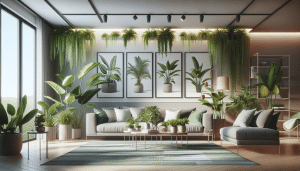
Starting a home garden can feel a little overwhelming. But rest assured, even small steps lead to big rewards. For apartment dwellers and those with limited outdoor space, container gardening is an easy solution. Pots, window boxes, and recycled containers offer flexibility. Herbs like basil, mint, and chives thrive on kitchen windowsills. Small vegetables, such as lettuce and radishes, flourish in patio planters. Vertical gardening makes use of walls or fences, maximizing space for those short on square footage.
Those with access to a balcony or deck can turn these areas into multipurpose green zones. Hanging baskets introduce trailing flowers and strawberries, while railing planters overflow with salad greens or colorful blooms. Raised beds present another beginner-friendly strategy, especially appealing for renters or homeowners without established soil beds. They allow for better control over soil quality and drainage, reducing maintenance time and effort. Neighborhood community gardens, sometimes supported by local organizations, provide another way to gain hands-on gardening experience without needing a private plot.
Smart planning is the secret to successful small-space gardening. Choose compact or dwarf varieties of favorite plants, and group them by sunlight and watering needs. Many online guides and local garden centers offer advice tailored for first-time growers. Don’t be afraid to experiment with succulents, air plants, or microgreens—they require little space but offer maximum impact. Remember, every container or patch of soil can become a source of pride and inspiration.
Soil, Compost, and Water-saving Tips to Support Growth
Healthy soil is the backbone of every successful home garden. Even the most enthusiastic gardener faces challenges with soil quality, especially in urban areas with compacted or poor ground. Amending soil with organic compost can be a game-changer. Composting transforms kitchen scraps and yard waste into nutrient-rich material. Not only does this process decrease household waste, but it also improves soil structure, drainage, and plant fertility.
For those unable to compost at home, many municipalities offer community composting programs. Bagged organic soil blends, available at most home improvement stores, are another option. Pay attention to soil pH, especially when growing delicate flowers or fruits, as minor adjustments can help plants thrive. Watering needs may be minimized by using mulch. A two-inch layer of mulch conserves soil moisture, regulates temperature, and reduces weeds—all while giving beds a finished look. Eco-conscious gardeners often opt for native plants and drought-resistant species to reduce watering further.
Saving water remains a top concern. Rain barrels capture runoff, providing a sustainable irrigation source for thirsty beds and pots. Drip irrigation systems, once reserved for commercial growers, are now easy to install in home gardens and significantly reduce water waste. Regularly checking plants for signs of overwatering or pests helps prevent larger issues. Maintaining soil health ensures your efforts yield rewarding results, even with unpredictable weather. Home growers can find comprehensive soil and watering guides through local extension offices or trusted environmental groups.
Affordable Ways to Enhance Garden Beauty
It’s possible to create a lush, inviting garden without spending a fortune. Repurposing old furniture as planters, using found objects for garden art, and propagating new plants from cuttings all help keep costs down. Many beautiful perennials can be divided and shared among friends, spreading color and life for minimal investment. Community seed swaps offer another low-cost way to diversify your plant collection. Local libraries may even offer free seed libraries, allowing gardeners to borrow seeds and return their own at the end of the season.
Replacing single-season annuals with hardy perennials saves money and time over the years. Incorporate native flowers and shrubs for added resilience and pollinator support. Installing solar-powered lights along pathways brings evening magic without increasing electricity bills. Upcycle materials like pallets, bricks, or stones for creating pathways, borders, or raised beds. Creative garden art projects using stones, painted pots, or recycled glass add personal style and charm. The result is a garden brimming with character and color, regardless of budget or experience level.
Resist the urge to purchase every trendy garden gadget or tool. Instead, invest in a few long-lasting essentials and supplement with borrowed or secondhand equipment. Many communities run tool libraries where residents can borrow larger implements for short-term use. Planting bulbs, seeds, and cuttings at staggered times ensures continuous blooms or harvests, giving maximum value and interest throughout the growing season. With thoughtful planning and creativity, gardening on a budget remains accessible to all.
The Social and Health Benefits of Gardening at Home
Home gardening isn’t just about growing flowers or food. It’s a lifestyle that fosters well-being and strengthens community ties. Spending time in gardens, even small ones, has been linked to improved mood and reduced stress. Studies show outdoor activity and contact with soil can boost physical fitness and immune response. For seniors, gardening provides gentle exercise and keeps minds engaged. Connecting with neighbors through shared gardening projects contributes to a sense of belonging.
Gardening gives children practical science and nutrition lessons, encourages responsibility, and nurtures patience. School and neighborhood gardening projects, often run by nonprofit groups or local governments, build intergenerational bonds and encourage stewardship of natural resources. For people living with chronic illness or disability, adaptive gardening tools and raised beds enable continued participation and enhance overall quality of life. The garden becomes a space for healing, creativity, and connection.
Food security is another important factor. Harvesting homegrown vegetables, fruits, and herbs can reduce grocery bills and provide fresh, nourishing produce. Some programs teach gardening basics to help families and communities address food insecurity. Gardening’s impact on well-being extends far beyond the edges of the flowerbed. As a lifelong learning journey, it equips everyone with resilience, joy, and pride in nurturing living things.
Keeping Your Garden Vibrant All Year Long
With thoughtful planning, gardens can offer beauty and interest in every season. Incorporate evergreen shrubs and trees for year-round structure and shelter for birds. Winter-hardy plants like hellebores, ornamental grasses, and camellias provide off-season color. Tulip and daffodil bulbs planted in autumn bring a burst of blossoms come spring. Staggering planting times—whether for bulbs or crops—keeps your garden vibrant week after week.
Consider rotating vegetables throughout garden beds to reduce pest buildup and maintain soil fertility. Companion planting, where specific species are grown together for mutual benefit, helps deter pests and encourages healthy yields. Mulch garden beds in late fall to protect roots from freezing and conserve soil moisture. Pruning perennials and shrubs before winter ensures healthier growth when temperatures warm up again.
Indoor plants can also shine during colder months. Bringing containers inside or investing in a few hardy houseplants offsets a lack of outdoor blooms. Brightly colored pots and creative plant displays offer a cheerful sight on winter days. Year-round gardening rewards patience and consistency, building anticipation for new growth as seasons shift. Explore resources from local gardening clubs or cooperative extensions for season-specific inspiration and practical advice.
References
1. American Horticultural Society. (n.d.). Gardening for Health and Wellbeing. Retrieved from https://www.ahsgardening.org/gardening-resources/gardening-for-health-and-wellbeing/
2. United States Environmental Protection Agency. (n.d.). Composting at Home. Retrieved from https://www.epa.gov/recycle/composting-home
3. The National Gardening Association. (n.d.). Lawn and Garden Watering. Retrieved from https://garden.org/learn/articles/view/3326/
4. University of Illinois Extension. (n.d.). Small Space Gardening. Retrieved from https://extension.illinois.edu/vegetables/small-space-gardening
5. National Wildlife Federation. (n.d.). Native Plant Finder. Retrieved from https://www.nwf.org/NativePlantFinder/
6. Centers for Disease Control and Prevention. (n.d.). The Benefits of Gardening for Older Adults. Retrieved from https://www.cdc.gov/physicalactivity/community-strategies/active-people-healthy-nation/gardening.html

 What You Can Discover About Buying Your First Home