Gardening Techniques That Promote Sustainable Growth
Thomas Redford September 22, 2025
In 2025, gardening techniques that promote sustainable growth create eco-friendly, productive green spaces, aligning with trends in sustainable living and responsible resource use. These methods reduce environmental impact, enhance biodiversity, and support vibrant, low-maintenance gardens. Drawing on insights from interior design’s eco-conscious practices and nutrition-focused herb gardening, this article explores six actionable techniques, with practical steps and current references.
Why Sustainable Gardening Matters in 2025
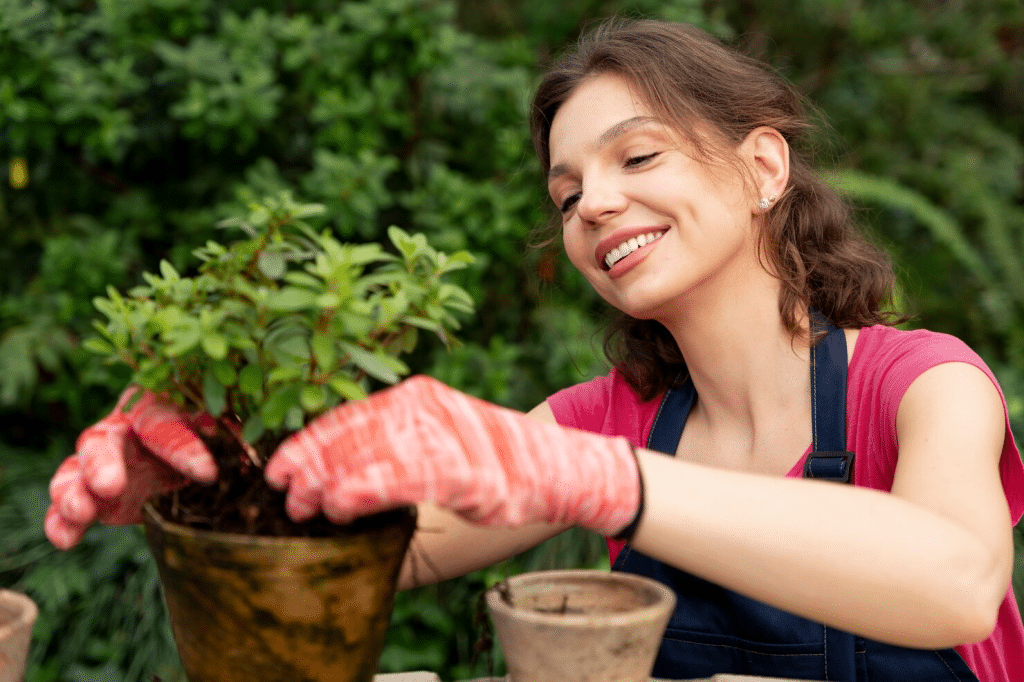
Sustainable gardening in 2025 is vital as 80% of gardeners prioritize eco-friendly practices to combat climate change and rising resource costs. These techniques conserve water, enrich soil, and support local ecosystems, creating resilient gardens. By adopting sustainable methods, gardeners contribute to a healthier planet while enjoying functional, beautiful spaces.
Key Gardening Techniques for Sustainable Growth
Here are six practical techniques to promote sustainable gardening, tailored for eco-conscious enthusiasts:
1. Companion Planting for Natural Balance
Pair plants to enhance growth and deter pests.
- How It Works: Plant marigolds with tomatoes or basil with peppers to repel pests and boost yields, using companion planting charts from apps like Gardenate.
- Real-Life Impact: A home gardener plants marigolds, reducing aphid issues without pesticides.
- Benefit: Enhances biodiversity and reduces chemical use.
- Tip: Pair one companion plant, like basil, with a vegetable this season.
2. Water-Saving Drip Irrigation
Use efficient irrigation to conserve water.
- How It Works: Install drip irrigation systems or soaker hoses, sourced from eco-friendly suppliers like HeapsGood, to deliver water directly to roots.
- Real-Life Impact: A family cuts water use by 30% with drip irrigation for their herb garden.
- Benefit: Saves water and promotes healthy plant growth.
- Tip: Set up one drip line for a garden bed this week.
3. Composting for Soil Enrichment
Recycle organic waste to nourish soil.
- How It Works: Create a backyard compost bin with kitchen scraps and yard waste, using guides from platforms like Epic Gardening.
- Real-Life Impact: A gardener enriches soil with compost, boosting vegetable yields by 20%.
- Benefit: Reduces waste and improves soil health naturally.
- Tip: Start one small compost pile with food scraps this month.
4. Native and Pollinator-Friendly Plants
Grow local species to support ecosystems.
- How It Works: Plant native flowers like milkweed or lavender to attract bees and butterflies, sourced from local nurseries or Seed Savers Exchange.
- Real-Life Impact: A backyard garden attracts pollinators, increasing fruit production.
- Benefit: Enhances biodiversity and requires less maintenance.
- Tip: Plant one native species, like lavender, this season.
5. Mulching for Moisture and Weed Control
Use organic mulch to protect soil.
- How It Works: Apply straw, wood chips, or recycled materials from Freecycle to retain moisture and suppress weeds, reducing upkeep.
- Real-Life Impact: A gardener mulches beds, cutting watering needs by half.
- Benefit: Conserves water and minimizes weeding effort.
- Tip: Add one layer of mulch to a garden bed this week.
6. Vertical Gardening for Small Spaces
Maximize space with eco-friendly vertical systems.
- How It Works: Build vertical planters using reclaimed pallets or fabric pockets, growing herbs or greens in compact areas.
- Real-Life Impact: An urban gardener grows lettuce on a balcony, saving space and resources.
- Benefit: Increases yield in small, sustainable setups.
- Tip: Create one vertical planter with recycled materials this month.
Practical Strategies for Sustainable Gardening
Here’s how to implement these techniques effectively:
1. Start with One Sustainable Practice
Test a single technique to build confidence.
- How to Do It: Try companion planting or start a small compost bin, using free online guides or apps.
- Why It Helps: Makes sustainable gardening approachable with quick results.
- Tip: Plant one companion pair or start composting this week.
2. Use Digital Tools for Planning
Leverage apps to design eco-friendly gardens.
- How It Works: Plan layouts with Garden Planner or Grok 3, incorporating sustainable techniques, aligning with 2025’s digital trends.
- Why It Helps: Ensures efficient, eco-conscious designs.
- Tip: Use one free app to plan a sustainable garden bed.
3. Source Sustainable Materials
Choose recycled or local supplies.
- How It Works: Source mulch, seeds, or planters from Freecycle, HeapsGood, or local nurseries to minimize environmental impact.
- Why It Helps: Reduces costs and supports green practices.
- Tip: Find one recycled material, like a pallet, for a project.
4. Join Gardening Communities
Connect with others for tips and inspiration.
- How It Works: Engage in X gardening groups or local Meetup events to share sustainable techniques and troubleshoot.
- Why It Helps: Provides practical advice and motivation.
- Tip: Join one X gardening thread monthly for ideas.
5. Review Garden Progress Seasonally
Spend 15–20 minutes each season assessing sustainability.
- How It Works: Evaluate water use or plant health in a journal or app like Notion, adjusting techniques for better outcomes.
- Why It Helps: Keeps gardens eco-friendly and productive.
- Tip: Review one garden bed’s sustainability each season.
Sample Routine for Sustainable Gardening
Here’s a routine to maintain eco-friendly gardens:
- Daily:
- Morning (5 minutes): Check plants or water with drip system.
- Evening (5 minutes): Add scraps to compost or plan a task.
- Weekly:
- Sunday (10 minutes): Apply mulch or check companion plants.
- Monthly:
- First Sunday (15 minutes): Assess compost or plant health.
- Seasonally:
- First week (20 minutes): Plan new sustainable techniques.
Overcoming Common Gardening Challenges
- Challenge: Limited space for gardening.
Solution: Use vertical planters or small-scale companion planting. - Challenge: High water or resource costs.
Solution: Install drip irrigation or compost for efficiency. - Challenge: Lack of gardening knowledge.
Solution: Use apps or X communities for beginner-friendly tips.
Tools to Support Sustainable Gardening
- Planning: Garden Planner, Gardenate for eco-friendly layouts.
- Materials: Freecycle, HeapsGood for recycled supplies.
- Guides: Epic Gardening, Seed Savers Exchange for tips.
- Community: X, Meetup for gardening support.
- Tracking: Notion, Trello for garden management.
The Bigger Picture: Gardening in 2025
In 2025, sustainable gardening techniques align with trends toward eco-conscious living, biodiversity, and resource conservation. These practices create resilient, productive gardens that support the planet and personal well-being. By using technology and community insights, gardeners can cultivate thriving, sustainable spaces.
Conclusion: Grow Sustainably in 2025
Sustainable gardening techniques in 2025, like companion planting, drip irrigation, and vertical systems, promote eco-friendly growth. Start with one practice, use digital tools, and review seasonally to maintain green spaces. Begin today by planting a native flower or starting a compost pile, and cultivate a sustainable, vibrant garden.
References:
Eco-Friendly Gardening in 2025
https://www.finegardening.com/eco-gardening-2025/
Sustainable Gardening Trends for 2025
https://www.gardendesign.com/sustainable-gardening-2025/
Water-Saving Gardening Techniques 2025
https://www.thespruce.com/water-saving-gardening-2025/

 Travel Experiences That Combine Learning and Fun