Secrets of Thriving Indoor Plants You Never Considered
September 26, 2025
Unlock the little-known secrets to mastering indoor plant care and transforming your living space into a lush sanctuary. Explore practical tips, troubleshooting techniques, and the unique factors that help your houseplants flourish—no green thumb required.
What Makes Indoor Plants Thrive
Many enthusiasts discover that giving indoor plants a healthy start often sets the tone for long-term success. Soil quality, for example, significantly influences root health and moisture retention, and it’s a detail that can be overlooked. Choose a mix specifically formulated for houseplants, as these blends balance nutrients and drainage. When shifting plants indoors from nurseries or garden centers, repotting with fresh soil encourages adaptation and limits pest problems—a strategy especially helpful for popular decorative species and tropical foliage varieties.
Sunlight is another influential factor, but not all species require a sunny window ledge. Some, like the resilient snake plant or ZZ plant, prefer indirect light and tolerate shade. Overexposure can actually harm delicate leaves, causing scorching or bleaching. Evaluate your home’s lighting by noting where natural sunlight falls during the day, then place each plant accordingly. Small adjustments to location—sometimes just moving a pot a few feet away from a sunny window—can result in significant improvements in plant health, boosting leaf size and vibrancy.
Consistency is crucial, too. Establish a watering routine based on water needs, not a calendar. Overwatering is a common cause of root rot, especially for potted houseplants. Feel the soil before every watering—if it’s still moist an inch below the surface, hold off. Self-watering planters or moisture meters take the guesswork out for busy plant owners. When combined with careful soil selection and attention to sunlight requirements, this balanced approach often leads to impressive, long-lasting foliage and fewer problems with common indoor plant diseases.
Choosing the Right Plants for Your Home
Selection is pivotal for growing success, especially if indoor gardening is new to you. Low-maintenance houseplants such as pothos, philodendron, and spider plants are robust, forgiving, and adapt well to various indoor environments. In contrast, orchids and fiddle leaf figs are admired for their striking looks, though they can be challenging for beginners. Factors like humidity, available space, and pets in the household should influence your choices. Many popular plants are non-toxic, making them safer for homes with cats and dogs, while others require extra care to avoid harmful encounters.
Humidity-loving species, such as Boston ferns or calathea, thrive in bathrooms and kitchens where moisture lingers in the air. Dry environments may be best suited to succulents and cacti, which store water and handle infrequent watering with ease. Grouping similar plants together helps mimic natural mini-ecosystems, stabilizing humidity and often fostering growth. Pay attention to leaf texture and coloring—larger, waxier leaves typically signal a preference for milder lighting and higher humidity, while fine, bright foliage may flourish in direct light and drier rooms.
Researching the botanical background and unique care requirements of each species makes plant selection more rewarding. Consult trusted resources from university extension services or botanical gardens to learn which species naturally suit your lifestyle and space. When choosing, it’s helpful to match the plant’s growth habit to the setting: tall, upright plants accent corners and entryways, trailing vines soften shelves and ledges, and compact varieties make for vibrant desktop companions. This thoughtful pairing adds richness to your interior design and ensures lasting plant health.
Navigating Watering, Fertilizing, and Maintenance
Watering is the core of healthy houseplant care, but knowing when and how much can be tricky. Some plants, such as peace lilies, signal their needs by drooping slightly when thirsty. Others, like succulent varieties, require restraint—err on the side of dryness to avoid root rot. Use room-temperature water and consider bottom-watering for plants prone to leaf spots or fungal issues. Drainage holes in pots prevent excess moisture from accumulating, so avoid pots without them, even if they look decorative.
Fertilizer offers a boost during active growing months, typically spring and summer. Slow-release pellets or liquid feeds formulated for indoor plants minimize the risk of burn or imbalance. Avoid overfeeding, as this can stress roots and lead to yellowing leaves or salt build-up on the soil surface. Regularly removing faded blooms and spent leaves, known as deadheading, encourages continuous growth and deters pests. For larger foliage, wiping leaves gently with a damp cloth keeps them dust-free and helps with efficient photosynthesis.
Maintenance routines like pruning and repotting should not be overlooked. Periodic trimming prevents leggy growth and encourages bushier shapes, especially in vining species. Repotting every year or two refreshes nutrient content and accommodates expanding root systems. Signs that it’s time to repot include crowded roots, slowed growth, or water draining too quickly through the pot. Summing up, a consistent schedule centered around observation rather than fixed rules creates a responsive plant care routine—and sets the stage for happier, more resilient greenery.
Solving Common Indoor Plant Problems
Even well-tended houseplants occasionally encounter trouble. Yellow leaves, drooping stems, or wilting can signal issues with watering, light, or root health. Inspect your plants regularly for spots, insects, or mold on leaf surfaces. Many common pests—spider mites, aphids, and scale—thrive in the dry, still air of heated homes. Increase humidity with a pebble tray or small humidifier and use neem oil or insecticidal soap as natural remedies. Regular rotation of potted plants also ensures even growth and limits pest buildup.
Fungal diseases like powdery mildew or root rot often arise from overwatering or insufficient airflow. If spotted, remove infected leaves, enhance ventilation, and reduce misting. Avoid letting water sit on leaves or soil surfaces. In cases of persistent leaf problems, it’s worth checking for mineral imbalances or adjusting fertilizer routines. Monthly flushing of the pot with clear water removes excess salts, particularly in homes with hard tap water. Early intervention is key—a small setback is easier to correct than a widespread infestation.
Changes in leaf coloration—pale, scorched, or dark patches—often reveal deficiencies or excesses in sun or nutrients. Moving a plant slightly or turning it every week helps adapt growth patterns to the available light. Research and comparison with reference photos, especially those found in university cooperative extension resources, provide clarity when diagnosing unfamiliar issues. Consistent monitoring and prompt yet gentle action restore vitality and prevent small challenges from developing into chronic stress for beloved indoor greenery.
Designing with Indoor Plants for Style and Wellbeing
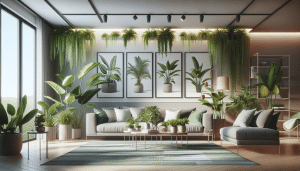
Incorporating live plants into home decor offers multiple benefits that go beyond pure aesthetics. Lush canopies and cascading vines soften harsh lines of modern interiors, adding dimension and a calming vibe. Research indicates that indoor plants may help improve indoor air quality, though the effect is typically modest in residential settings. Grouping several plants, especially those with arching stems or dramatic leaves like monstera or rubber plant, creates stunning focal points that draw interest and relaxation.
Thoughtful arrangement matters as much as plant choice. Larger floor plants offer a sense of grandeur in living spaces, while petite varieties—think peperomia or air plants—fit neatly on shelves, windowsills, and work areas. Mixing pot sizes, textures, and heights provides visual rhythm while accommodating the needs of various species. Coordinating container styles with existing color schemes or furniture unifies the space. Seasonal rotation of blooming varieties like anthurium or bromeliad adds bursts of color and keeps arrangements lively all year long.
Beyond aesthetics, studies reveal that interacting with indoor plants can have positive psychological effects, reducing stress and supporting focus. Even brief care duties—watering, pruning, or simply observing growth—anchor attention and foster a sense of achievement. Living greenery is a natural complement to wellness routines, improving both mood and atmosphere. For those working from home, a cluster of leafy green companions may transform a mundane workspace, enhancing both productivity and daily joy.
Adapting Indoor Plant Care Across the Seasons
Seasonal changes create different challenges and opportunities for plant care. During shorter days, many houseplants slow their growth and need less water and food. Place more sensitive varieties closer to bright windows in winter, but avoid contact with cold glass or radiators. Supplemental lighting, such as LED grow lights, can extend daylight hours and sustain healthy foliage through dark periods, especially for herbs or flowering species that require more consistent light.
Spring is prime time for fertilizing and repotting, as houseplants respond to extra sunlight and longer days with vigorous new growth. Rotate containers frequently so all sides receive even light and trim back any leggy stems that stretched during winter. Watch for the first signs of pests as temperatures rise—spring’s humidity can make some plants susceptible. Regular cleaning not only removes dust but also enables early detection of tiny hitchhikers before minor infestations escalate.
Air conditioning in summer and heating in winter can dry indoor air. Adjust watering schedules to reflect evaporation rates and consider grouping plants to create local pockets of humidity. Misting is less effective than using trays of water or compact humidifiers. Autumn is the season to slow down, reduce feeding, and stop repotting to allow plants to rest before their next active cycle. Flexibility and observation, more than rigid schedules, lead to thriving indoor gardens no matter the climate outside.
References
1. U.S. Environmental Protection Agency. (n.d.). Indoor Air Quality and Plants. Retrieved from https://www.epa.gov/indoor-air-quality-iaq/indoor-plants
2. University of Minnesota Extension. (n.d.). Growing Houseplants Indoors. Retrieved from https://extension.umn.edu/houseplants
3. North Carolina State University Extension. (n.d.). Houseplants. Retrieved from https://content.ces.ncsu.edu/houseplants
4. Royal Horticultural Society. (n.d.). Houseplant Care. Retrieved from https://www.rhs.org.uk/plants/indoors
5. Colorado State University Extension. (n.d.). Managing Indoor Plant Pests. Retrieved from https://extension.colostate.edu/topic-areas/yard-garden/managing-houseplant-insect-pests-5-595/
6. Oregon State University Extension Service. (n.d.). Care of Indoor Plants. Retrieved from https://extension.oregonstate.edu/gardening/techniques/care-indoor-houseplants

 Interior Organization Tips That Boost Productivity