You Can Create an Indoor Jungle on Any Budget
September 27, 2025
Unlock the secrets to developing a lush indoor plant oasis at home. This engaging guide explores the best houseplants, maintenance tips, and effective strategies for transforming any space into a vibrant indoor jungle—while keeping budgets in mind.
Choosing Houseplants That Thrive Indoors
Finding the right houseplants is the foundational step to building an indoor jungle. Some plants, such as the pothos, snake plant, and philodendron, have earned a reputation for resilience and adaptability. These varieties flourish in a variety of light conditions, making them ideal for homes and apartments. Whether natural sunlight is ample or scarce, selecting species suited to your room’s lighting increases the odds of lush, healthy growth.
Matching your lifestyle and care capacity to your plant selection pays dividends. If schedules are demanding, low-maintenance plants like ZZ plants or peace lilies can suit your needs. Their tolerance for drought and variable humidity means you don’t need to hover over them daily. This approach lets you enjoy the visual benefits of greenery without the stress of complex maintenance routines.
Variety also enhances aesthetics and environmental benefits. Combining leafy monsters, slow-growing succulents, and trailing vines adds dynamic shapes and hues to your space. NASA even notes that certain houseplants help clean indoor air by absorbing toxins and increasing oxygen levels. This blend of form and function brings sustainable beauty and fresher air into everyday life (https://www.nasa.gov/sites/default/files/atoms/files/jsc29299.pdf).
Creating Visual Impact With Plant Placement
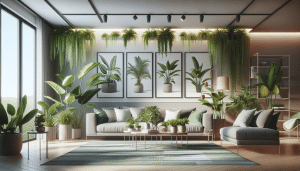
Strategic placement is key to turning simple houseplants into a cohesive indoor garden. Layering larger plants near room edges creates depth, while smaller pots clustered at eye level draw attention. Try using plant stands, hanging baskets, or wall-mounted planters to increase vertical interest and maximize available room.
Mixing container styles and sizes adds texture and contrast to the space. Even if your décor is minimalist or eclectic, choose planters that echo your home’s character. Mirrors and reflective surfaces nearby can double the greenery visually, offering the illusion of even more lushness. Carefully considering color zones builds harmony in the design.
Light plays a crucial role beyond aesthetics. Most tropical indoor plants thrive near windows but avoid direct hot sunlight, which can scorch leaves. Eastern or northern exposures are often gentlest for greenery. If sunlight is limited, consider easy grow lights that supplement natural light—a technique frequently recommended by extension offices for successful winter indoor growing (https://extension.psu.edu/creating-a-healthy-indoor-environment-with-houseplants).
Watering Techniques and Humidity Management
Watering is often the most misunderstood part of indoor gardening. Overwatering is a common pitfall; most houseplants prefer soil to dry out between waterings. Finger-testing soil moisture or using inexpensive moisture meters can help you water only when plants need it. This helps prevent root rot and encourages healthy growth.
Humidity levels inside homes often dip lower than tropical plants prefer, especially during colder months. To help, consider grouping plants together. Evaporation from one creates a slightly more humid microclimate for all. Pebble trays beneath pots or regular light misting can also boost humidity, supporting vibrant leaves and root health.
Some homeowners install small, energy-efficient humidifiers for sensitive plant species. If you have limited resources or want a sustainable route, public university horticulture departments often suggest rotating plants in and out of more humid spaces like kitchens or bathrooms. Monitoring leaf color and suppleness gives clues about each plant’s water and humidity needs, helping prevent stress or disease (https://hgic.clemson.edu/factsheet/houseplants-care-and-selection/).
Repotting and Soil Selection for Healthier Growth
Repotting allows houseplants to thrive as they grow. Over time, roots can become crowded, leading to stunted development. Choosing a new pot that is 1–2 inches larger than the previous one gives roots room to expand. Spring is typically the best time for this process since growth is naturally more active then.
Not all soil mixes are equal. For tropical plants, a well-draining, organic-rich blend supports root health. Succulents benefit from even sandier, gritty mixtures to avoid soggy conditions. Universities and cooperative extension services often offer recipes for homemade blends using affordable, readily available ingredients, helping keep your budget in check.
Repotting is also the perfect opportunity to prune dead leaves and inspect for pests. Removing old growth redirects energy to fresh foliage. Examining roots for firmness and color reveals hidden health issues early. Many plant enthusiasts find that adding compost or worm castings gives a gentle, slow-release nutrient boost—another budget-friendly tip for an indoor jungle (https://extension.colostate.edu/topic-areas/yard-garden/houseplants-7-234/).
Pest Prevention and Disease Management Indoors
Even inside, houseplants are not immune to pests and diseases. Fungus gnats, spider mites, and aphids might appear, but monitoring plants weekly can detect problems early. Look for discolored leaves, webbing, or stunted growth—signs that something may be amiss.
Addressing issues quickly makes a big difference. Gentle soap solutions or neem oil can control most common pests without introducing harsh chemicals into your living space. Some gardeners introduce beneficial insects like ladybugs indoors for a natural approach, but this technique may require guidance from local greenhouse experts.
Prevention is the easiest tactic. Avoid overwatering, keep leaf surfaces dust-free, and quarantine new plants before adding them to your collection. University extension programs frequently publish practical guides for diagnosing and treating common houseplant problems, making it easier to nurture a problem-free indoor garden (https://extension.umn.edu/houseplants/common-houseplant-insects-and-related-pests).
Budget-Conscious Ways to Expand Your Indoor Garden
Expanding your indoor greenery doesn’t need to drain your wallet. Propagation methods like stem cuttings and leaf splits let you multiply existing plants at no extra cost. Swapping cuttings with local plant communities is also a rewarding, social approach to growing variety.
Reusing household containers—old mugs, jars, or decorative tins—serves as unique planters. This sustainable approach reduces waste and adds character to your displays. Public libraries and nonprofit community organizations sometimes offer seed and cutting exchanges, supporting green living while saving money (https://gardeningsolutions.ifas.ufl.edu/plants/houseplants/starting-houseplants-from-cuttings.html).
Regularly rotating plants between windows and low-light spots ensures every one receives enough light, even if space is tight. This practice can reveal unexpected growing patterns and bring new visual interest. Exploring plant sales at botanical gardens or online forums often unveils affordable, rare finds for the determined enthusiast.
References
1. National Aeronautics and Space Administration. (n.d.). Interior Landscape Plants for Indoor Air Pollution Abatement. Retrieved from https://www.nasa.gov/sites/default/files/atoms/files/jsc29299.pdf
2. Penn State Extension. (n.d.). Creating a Healthy Indoor Environment with Houseplants. Retrieved from https://extension.psu.edu/creating-a-healthy-indoor-environment-with-houseplants
3. Clemson Cooperative Extension. (n.d.). Houseplants: Care and Selection. Retrieved from https://hgic.clemson.edu/factsheet/houseplants-care-and-selection/
4. Colorado State University Extension. (n.d.). Houseplants. Retrieved from https://extension.colostate.edu/topic-areas/yard-garden/houseplants-7-234/
5. University of Minnesota Extension. (n.d.). Common Houseplant Insects and Related Pests. Retrieved from https://extension.umn.edu/houseplants/common-houseplant-insects-and-related-pests
6. University of Florida IFAS Extension. (n.d.). Starting Houseplants from Cuttings. Retrieved from https://gardeningsolutions.ifas.ufl.edu/plants/houseplants/starting-houseplants-from-cuttings.html

 Why Digital Media Shapes What You Read Every Day