Interior Design Solutions That Enhance Comfort in 2025
Thomas Redford September 30, 2025
Creating a comfortable home in 2025 is no longer just about aesthetics. Understanding interior design solutions that enhance comfort can transform your living spaces into relaxing, functional, and inviting environments. Comfort-driven design prioritizes well-being, mental clarity, and physical ease, helping you create a home that truly feels like a sanctuary.
By combining modern trends, ergonomic principles, and sustainable choices, homeowners can design spaces that support both relaxation and productivity. This article explores the top strategies and solutions to achieve maximum comfort in your interiors.
1. Biophilic Design: Bringing Nature Indoors
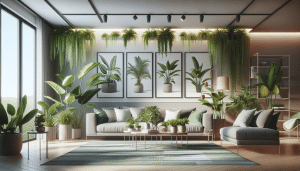
Biophilic design is an increasingly popular approach that incorporates natural elements into your home. This design philosophy not only improves aesthetics but also enhances comfort by fostering a sense of calm and connection to nature.
Ways to Integrate Biophilic Design:
- Use Natural Materials: Wood, stone, cork, and bamboo add warmth and texture.
- Indoor Plants: Include succulents, ferns, or flowering plants to boost air quality and create a tranquil environment.
- Maximize Natural Light: Open windows, use light-colored surfaces, and consider reflective finishes to brighten your space.
- Create Green Zones: Vertical gardens or indoor herb spaces bring nature closer to your daily life.
Biophilic interiors help reduce stress, improve focus, and make your home feel refreshing and serene.
2. Soft Furnishings and Cozy Textures
Comfort often comes from tactile experiences. Layering soft furnishings and textures in your home enhances warmth and sensory enjoyment.
Key Texture Trends in 2025:
- Velvet and Linen: Velvet adds luxury, while linen gives a relaxed, airy feel.
- Layered Rugs and Throws: Combine wool, cotton, or jute to create depth and softness.
- Plush Seating: Oversized armchairs and sectional sofas with cushions and ottomans provide cozy lounging spots.
Tactile layers improve comfort while giving your home a welcoming and stylish appearance.
3. Ergonomic Furniture and Smart Solutions
With more people working from home, ergonomics has become central to interior comfort. Properly designed furniture supports posture, reduces strain, and enhances productivity.
Ergonomic Solutions to Consider:
- Adjustable Office Chairs: Support lumbar health and posture.
- Standing or Height-Adjustable Desks: Switch between sitting and standing to prevent fatigue.
- Heated or Massaging Furniture: Recliners and sofas with built-in heating or massage improve relaxation.
- Modular Furniture: Rearrangeable sofas and chairs optimize comfort for various activities.
Smart, ergonomic solutions ensure that comfort isn’t only visual—it’s functional. For related ideas, see Interior Decor Ideas That Maximize Functionality.
4. Minimalist Design: Functional and Calm Spaces
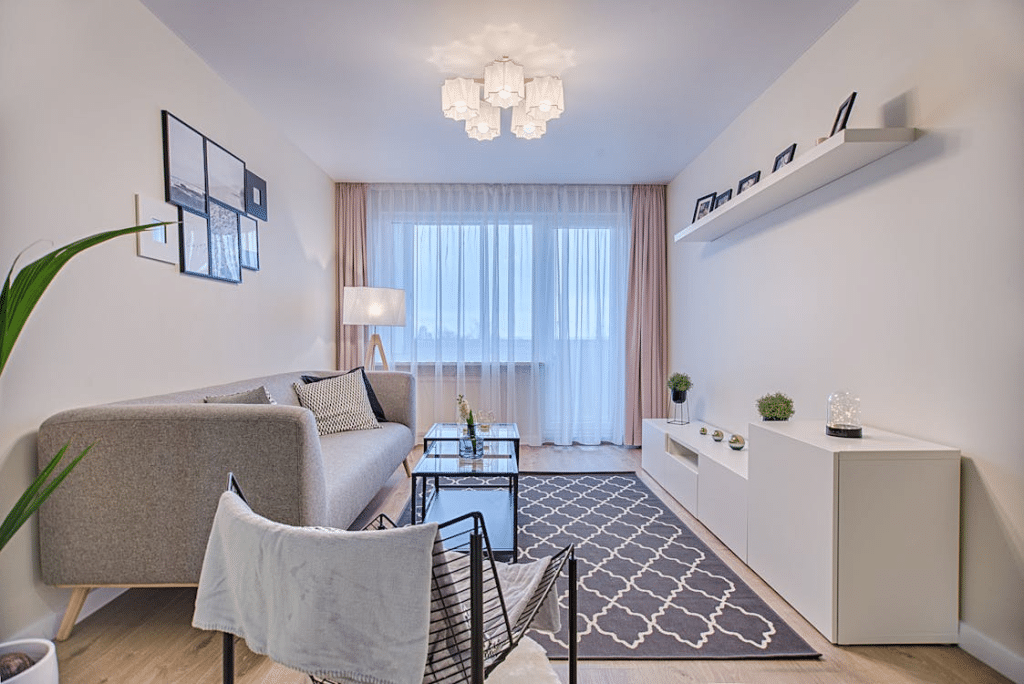
Minimalism emphasizes function and intentionality, reducing clutter to enhance mental comfort. In 2025, minimalistic interiors focus on simplicity, efficiency, and calm.
How to Apply Minimalism:
- Declutter Regularly: Keep only items that are functional or bring joy.
- Neutral Color Palettes: Whites, creams, and soft grays create spacious, serene environments.
- Quality Over Quantity: Invest in timeless, functional furniture rather than excessive décor.
Minimalist spaces allow for clear thinking, relaxation, and a comfortable atmosphere.
5. Smart Lighting: Setting the Mood
Lighting plays a key role in comfort and ambiance. Smart lighting systems in 2025 let you adjust brightness, color, and warmth to suit your mood and tasks.
Smart Lighting Strategies:
- Smart Bulbs: Control lighting via apps or voice commands for convenience and flexibility.
- Ambient Lighting: Soft, warm lighting creates cozy environments in living rooms and bedrooms.
- Task Lighting: Adjustable lighting for workspaces or reading areas ensures comfort and reduces eye strain.
By optimizing light, you can enhance relaxation, focus, and the overall comfort of your home.
6. Sustainable and Eco-Friendly Choices
Sustainability and comfort go hand in hand. Eco-friendly materials and energy-efficient choices contribute to healthier, more comfortable living spaces.
Sustainable Interior Design Tips:
- Natural Materials: Bamboo, reclaimed wood, and cork for flooring, furniture, and décor.
- Energy-Efficient Appliances: Reduce environmental impact and utility costs.
- Non-Toxic Paints: Low- or zero-VOC paints improve indoor air quality.
- Natural Insulation: Hempcrete or recycled denim help maintain temperature and comfort.
Sustainable design enhances both well-being and the long-term livability of your home.
Conclusion
Interior design solutions that enhance comfort in 2025 are centered on creating spaces that feel as good as they look. By integrating biophilic elements, soft textures, ergonomic furniture, minimalist layouts, smart lighting, and sustainable materials, you can design a home that promotes well-being, relaxation, and functionality.
Whether you’re redesigning a home office, living room, or bedroom, these solutions help create an environment where comfort is a priority. Start incorporating these strategies today and transform your home into a true sanctuary.
References
- American Society of Interior Designers (ASID). (2024). The Role of Design in Well-Being. Retrieved from https://www.asid.org
- Harvard Health. (2023). How Interior Spaces Affect Stress and Productivity. Retrieved from https://www.health.harvard.edu
- Human Spaces. (2023). Biophilic Design and Workplace Comfort. Retrieved from https://www.humanspaces.com
- Interior Design Magazine. (2024). Top Trends in Ergonomic and Comfortable Interiors. Retrieved from https://www.interiordesign.net

 Travel Destinations That Encourage Exploration