Can Indoor Plants Transform Your Living Space
October 26, 2025
Discover the benefits of adding indoor plants to your living space. This guide explores plant care tips, health benefits, styling solutions, and how to choose the right greenery for your home to improve both mood and well-being.
Why Indoor Plants Matter in Modern Living
Indoor plants have taken center stage in many homes as people seek to enhance their living environments. The appeal goes beyond mere aesthetics; plants can contribute to a healthier, more calming atmosphere indoors. Many individuals are curious about how incorporating greenery can improve their quality of life, and research continues to highlight the impressive impact of houseplants on both mood and air quality. Whether living in compact apartments or spacious houses, the addition of indoor foliage can make a noticeable difference.
One key factor driving interest in indoor gardening is the desire for softer, more relaxing surroundings. Plants can break up stark, artificial spaces with their natural forms and colors. Homeowners often report feeling more at ease and productive after adding plants to their work or living areas. Some experience reduced stress, improved concentration, and, for those working from home, a distinct boost in day-to-day satisfaction. Those benefits are not just anecdotal; multiple scientific studies support these findings (https://www.ncbi.nlm.nih.gov/pmc/articles/PMC7798888/).
In fast-paced urban environments, incorporating indoor plant life provides a simple way to reconnect with nature. Not only can they purify the air, but certain species are also known for lowering harmful volatile organic compounds. The result is a fresher, more vibrant living space. For many, tending to indoor plants develops into a hobby that fosters mindfulness and joy. This transformative aspect of indoor plants continues to gain traction among wellness enthusiasts, renters, and even families looking to design healthier homes.
Health Benefits Linked to Houseplants
One of the most celebrated advantages of indoor plants is their ability to improve air quality. Studies have demonstrated that popular houseplants like pothos, spider plants, and peace lilies can help remove toxins such as benzene, formaldehyde, and carbon monoxide from the air (https://www.epa.gov/indoor-air-quality-iaq/inside-story-guide-indoor-air-quality). This natural filtration process contributes to a fresher, more breathable environment that can benefit individuals with allergies or respiratory concerns. A home with healthier air has the potential to help reduce fatigue, headaches, and even symptoms associated with asthma in some cases.
In addition to their air-cleansing properties, indoor plants support mental well-being. Research from horticultural therapy suggests that exposure to greenery indoors may reduce cortisol levels — the hormone linked to stress — thereby promoting a sense of relaxation and contentment (https://www.ncbi.nlm.nih.gov/pmc/articles/PMC4419447/). Caring for plants, watering them, and watching them flourish provides a daily sense of accomplishment and purpose. This gentle routine can improve mood and foster emotional resilience over time.
Houseplants also support healthier routines by increasing humidity in dry environments. For individuals prone to dry skin, coughs, or eye irritation, the gentle release of moisture from plant leaves can bring relief. Some research even indicates that the presence of plants may bolster immune defenses by reducing dust and improving overall environmental quality inside homes. These benefits combine to make indoor greenery a valuable component of holistic wellness strategies for many households.
Choosing the Right Indoor Plants for Your Home
Selecting suitable houseplants begins with evaluating your living space. Factors such as natural light, temperature, and available space should guide your choices. Low-light conditions are common in apartments and older homes, making resilient species like snake plants, ZZ plants, and peace lilies attractive options. Meanwhile, rooms with bright, indirect sunlight are ideal for lush varieties such as pothos, monsteras, and philodendrons. Consider the care requirements and growth patterns of each species when curating your collection.
Allergies and sensitivities are another consideration when bringing plants indoors. Certain plants, including ficus and weeping fig, can sometimes irritate those with respiratory conditions, while hypoallergenic choices like ferns or bamboo palms tend to be safer bets. It’s also important to avoid toxic plants if there are pets or young children at home. Many trusted resources publish lists of pet-safe indoor plants and practical guidelines for safe plant placement (https://www.aspca.org/pet-care/animal-poison-control/toxic-and-non-toxic-plants).
Growing edible varieties, such as herbs or small fruiting plants, can offer culinary and health bonuses. Basil, mint, parsley, and even compact tomato varieties thrive in sunny windowsills, making meal prep more flavorful and introducing greenery to kitchens and dining spaces. Edible plants also invite engagement from children in the growing process, encouraging healthy eating habits. Balancing ornamental and practical choices ensures that indoor greenery meets both decorative and functional goals for your household.
Indoor Plant Care Tips for Thriving Greenery
Caring for houseplants doesn’t have to be intimidating. Start with the basics: provide consistent watering tailored to each plant’s needs, ensure appropriate soil drainage, and take note of changes in leaf color or texture. Overwatering remains the most common cause of plant stress, so check soil moisture before watering. For many species, it’s safer to keep the soil slightly dry rather than soggy. Adjusting watering routines when seasons change can help maintain vibrant, healthy plants year-round.
Lighting plays a critical role in plant health. While some plants thrive in dim corners, others need several hours of indirect or filtered sunlight. Observe where natural light is strongest in your home and group plants accordingly. If natural light is scarce, modern grow lights offer affordable solutions. Fertilizing during growth seasons and gently cleaning dust from leaves further contribute to happy, productive indoor plants. Establishing a routine for tending to your greenery can be calming and rewarding.
Routine maintenance includes repotting plants if roots outgrow their containers. This not only encourages healthy development but also prevents nutrient depletion. Prune away dead leaves or stems to enhance plant vitality and remove pests promptly if they are noticed. Many plant enthusiasts use moisture meters and apps to track care, making indoor gardening less reliant on memory and more predictable. Over time, even beginners develop green thumbs as they practice observing and adjusting care for their unique plant selection.
Styling Your Space with Houseplants
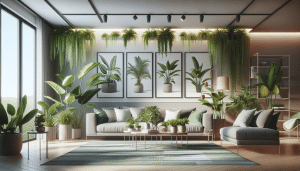
Integrating plants into your home’s décor can refresh rooms without major renovation. Consider height, texture, and color when placing multiple plants together. Grouping species with contrasting leaves or pot shapes can create striking focal points in living rooms or entryways. Hanging planters and wall-mounted shelves provide space-saving solutions for apartments or smaller areas and draw the eye upward for a dynamic effect.
Embracing vertical gardening inside allows those with limited floorspace to maximize greenery. Trailing varieties such as philodendrons or string of pearls drape beautifully from shelves, while compact desk plants offer a touch of nature to workspaces. Layering in different plant sizes invites visual interest, and mixing decorative pots brings a personalized touch to arrangements. Don’t overlook unusual spaces, such as bathroom window ledges or bedroom corners, for creative plant displays.
Design trends increasingly favor biophilic design — the integration of natural elements to foster wellbeing. By weaving plant life into various rooms, residents enjoy a look that’s lively yet restful. Using plants to define areas or create privacy, like placing larger specimens near seating or using tall leafy varieties as low partitions, serves practical and aesthetic purposes alike. The options for styling with plants are virtually limitless and adapt to every taste and lifestyle.
Overcoming Common Indoor Plant Care Challenges
Even the most enthusiastic indoor gardener can encounter difficulties. Common issues include yellowing leaves, pests, or slowed growth. Learning to interpret plant signals can prevent minor setbacks from escalating. Yellow or drooping leaves may signal overwatering, while dry, crispy tips often result from low humidity. Regularly inspecting soil and foliage helps users catch concerns early and adapt care accordingly (https://hgic.clemson.edu/factsheet/growing-indoor-plants-with-success/).
Pests like spider mites or fungus gnats sometimes appear, especially when airflow or humidity isn’t ideal. Natural remedies, such as neem oil or rinsing leaves, can manage small outbreaks. Preventative steps such as quarantining new plants and avoiding overly compact arrangements help reduce risk. Understanding that occasional setbacks are common may help relieve the pressure of perfection, making plant care a more enjoyable journey.
Environmental stressors such as sudden temperature drops, water quality issues, or even moving a plant to a new spot can affect health. Many successful growers keep a plant journal to track changes, seasonal shifts, and solutions. By remaining curious and observant, most challenges resolve with small adjustments. Supportive plant communities and resource guides offer valuable advice, helping both newcomers and experienced hobbyists cultivate thriving indoor jungles.
References
1. Park, S. H., & Mattson, R. H. (2009). Ornamental indoor plants in hospital rooms enhanced health outcomes of patients recovering from surgery. https://www.ncbi.nlm.nih.gov/pmc/articles/PMC4419447/
2. U.S. Environmental Protection Agency. (n.d.). The Inside Story: A Guide to Indoor Air Quality. https://www.epa.gov/indoor-air-quality-iaq/inside-story-guide-indoor-air-quality
3. Wang, S., & Zhang, L. (2021). Effect of Indoor Plants on Air Quality and Wellbeing. https://www.ncbi.nlm.nih.gov/pmc/articles/PMC7798888/
4. ASPCA. (n.d.). Toxic and Non-Toxic Plants List. https://www.aspca.org/pet-care/animal-poison-control/toxic-and-non-toxic-plants
5. Clemson Cooperative Extension. (n.d.). Growing Indoor Plants with Success. https://hgic.clemson.edu/factsheet/growing-indoor-plants-with-success/
6. National Institutes of Health. (2020). Biological Benefits of Indoor Plants. https://www.ncbi.nlm.nih.gov/pmc/articles/PMC4419447/

 What You Might Miss About Home Appraisals