Gardening Tips That Encourage Eco-Friendly Practices
Thomas Redford September 22, 2025
In 2025, gardening tips that encourage eco-friendly practices promote sustainable, low-impact methods to cultivate thriving green spaces while protecting the environment. These techniques align with trends in sustainable living and biodiversity, supporting vibrant, resilient gardens. Drawing on insights from sustainable gardening and wellness-focused herb cultivation, this article explores six actionable tips to foster eco-friendly gardening, with practical steps and current references.
Why Eco-Friendly Gardening Matters in 2025
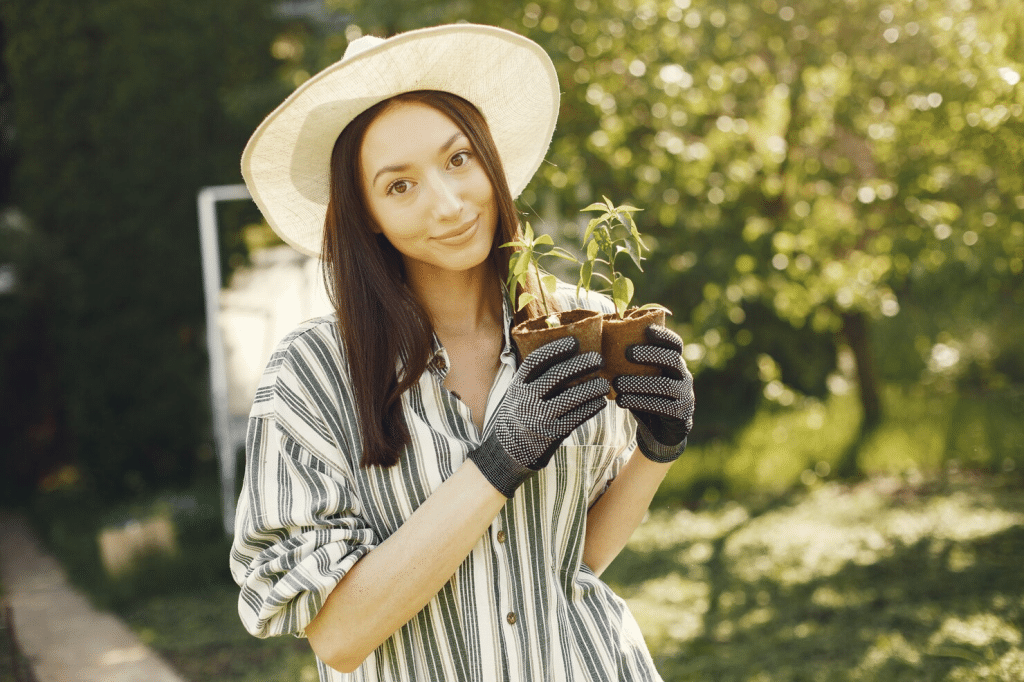
Eco-friendly gardening is crucial in 2025 as 82% of gardeners aim to reduce environmental impact amid climate challenges and resource scarcity. These practices conserve water, enhance soil health, and support pollinators, creating sustainable ecosystems. By integrating accessible, green methods, gardeners contribute to planetary health while enjoying productive, beautiful spaces.
Key Eco-Friendly Gardening Tips
Here are six practical tips to promote sustainable gardening, tailored for vibrant, eco-conscious lifestyles:
1. Use Rainwater Harvesting Systems
Collect rainwater to reduce water waste.
- How It Works: Install rain barrels or cisterns, sourced from eco-friendly suppliers like HeapsGood, to water plants during dry periods.
- Real-Life Impact: A homeowner collects 100 gallons of rainwater, cutting municipal water use by 25%.
- Benefit: Conserves water and lowers utility costs.
- Tip: Set up one rain barrel under a downspout this month.
2. Practice No-Dig Gardening
Preserve soil health with minimal disturbance.
- How It Works: Layer compost and mulch over soil without tilling, using guides from Epic Gardening to maintain soil structure and microbes.
- Real-Life Impact: A gardener adopts no-dig methods, boosting soil fertility and plant growth.
- Benefit: Enhances soil ecosystems and reduces labor.
- Tip: Start one no-dig bed with compost this week.
3. Plant Drought-Tolerant Native Species
Choose low-maintenance, local plants to save resources.
- How It Works: Grow native plants like lavender or yarrow, sourced from Seed Savers Exchange, to attract pollinators and reduce watering needs.
- Real-Life Impact: A backyard garden thrives with natives, supporting bees and cutting water use by 30%.
- Benefit: Promotes biodiversity and conserves resources.
- Tip: Plant one native species, like yarrow, this season.
4. Create Compost from Kitchen Scraps
Recycle organic waste for nutrient-rich soil.
- How It Works: Build a compost bin for food scraps and yard waste, following tutorials from platforms like The Spruce, to enrich soil naturally.
- Real-Life Impact: A family composts scraps, reducing landfill waste and fertilizing herbs.
- Benefit: Minimizes waste and eliminates chemical fertilizers.
- Tip: Start one small compost pile with vegetable peels this week.
5. Use Organic Pest Control Methods
Protect plants naturally to avoid chemicals.
- How It Works: Introduce companion plants like marigolds or use neem oil, sourced from local nurseries, to deter pests without harming ecosystems.
- Real-Life Impact: A gardener plants marigolds, reducing aphid damage without sprays.
- Benefit: Safeguards pollinators and soil health.
- Tip: Add one companion plant or neem oil to your garden this month.
6. Install Solar-Powered Garden Lights
Illuminate gardens sustainably with solar energy.
- How It Works: Use solar lights from IKEA or Bunnings to light paths or beds, reducing energy consumption and enhancing eco-aesthetics.
- Real-Life Impact: A gardener lights a patio with solar LEDs, saving on electricity bills.
- Benefit: Cuts energy use while adding sustainable charm.
- Tip: Install one solar light in your garden this week.
Practical Strategies for Eco-Friendly Gardening
Here’s how to implement these tips effectively:
1. Start with One Eco-Friendly Practice
Test a single tip to build sustainable habits.
- How to Do It: Set up a rain barrel or plant a native species, using free resources from YouTube or Gardenate.
- Why It Helps: Makes eco-gardening approachable with quick results.
- Tip: Try one practice, like composting, this week.
2. Use Digital Tools for Planning
Leverage apps to design sustainable gardens.
- How It Works: Plan layouts with Garden Planner or Grok 3, focusing on water-saving and native plant designs, aligning with 2025’s tech trends.
- Why It Helps: Optimizes eco-friendly garden layouts.
- Tip: Use one free app to plan a green bed this month.
3. Source Sustainable Materials
Choose recycled or local supplies.
- How It Works: Source compost bins or native seeds from Freecycle or local nurseries to minimize environmental impact.
- Why It Helps: Reduces carbon footprint and supports local economies.
- Tip: Find one recycled material, like a used barrel, this week.
4. Join Eco-Gardening Communities
Connect with others for inspiration and tips.
- How It Works: Engage in X gardening groups or local Meetup events to share sustainable practices and troubleshoot.
- Why It Helps: Offers practical advice and motivation.
- Tip: Join one X eco-gardening thread monthly.
5. Review Garden Sustainability Seasonally
Spend 15–20 minutes each season assessing green practices.
- How It Works: Evaluate water use or plant health in a journal or app like Notion, adjusting for sustainability.
- Why It Helps: Ensures long-term eco-friendly results.
- Tip: Review one garden bed’s sustainability each season.
Sample Routine for Eco-Friendly Gardening
Here’s a routine to maintain sustainable gardens:
- Daily:
- Morning (5 minutes): Check plants or collect rainwater.
- Evening (5 minutes): Add scraps to compost or plan a task.
- Weekly:
- Sunday (10 minutes): Apply mulch or check companion plants.
- Monthly:
- First Sunday (15 minutes): Assess compost or native plant growth.
- Seasonally:
- First week (20 minutes): Plan new eco-friendly techniques.
Overcoming Common Eco-Gardening Challenges
- Challenge: Limited space for sustainable practices.
Solution: Use vertical planters or small compost bins for efficiency. - Challenge: High costs of eco-friendly supplies.
Solution: Repurpose materials or source from Freecycle. - Challenge: Lack of eco-gardening knowledge.
Solution: Use apps or X communities for beginner-friendly tips.
Tools to Support Eco-Friendly Gardening
- Planning: Garden Planner, Gardenate for sustainable layouts.
- Materials: Freecycle, HeapsGood for recycled supplies.
- Guides: Epic Gardening, The Spruce for eco-tips.
- Community: X, Meetup for green gardening support.
- Tracking: Notion, Trello for sustainability monitoring.
The Bigger Picture: Eco-Gardening in 2025
In 2025, eco-friendly gardening tips align with trends toward sustainability, biodiversity, and resource conservation. Practices like rainwater harvesting, no-dig methods, and native planting create resilient, green spaces that support the planet. By leveraging technology and community insights, gardeners foster vibrant, eco-conscious gardens.
Conclusion: Cultivate Eco-Friendly Gardens in 2025
Eco-friendly gardening tips in 2025, such as rainwater harvesting, no-dig methods, and solar lighting, promote sustainability and vibrant growth. Start with one practice, use digital tools, and review seasonally to stay green. Begin today by setting up a compost pile or planting a native species, and grow a garden that thrives sustainably.
References:
Eco-Friendly Garden Practices 2025
https://www.gardendesign.com/sustainable-gardening-2025/
Sustainable Gardening Trends for 2025
https://www.finegardening.com/eco-gardening-2025/
Water-Saving Gardening Techniques 2025
https://www.thespruce.com/water-saving-gardening-2025/

 DIY Home Projects That Enhance Functionality