Tips for Organizing Your Garden for Maximum Yield
Thomas Redford September 17, 2025
In 2025, organizing your garden for maximum yield combines strategic planning, sustainable practices, and smart technology to produce abundant harvests in any space. Efficient organization optimizes resources, boosts productivity, and aligns with eco-conscious trends. Drawing on insights from high-yield gardening and sustainable living, this article outlines practical tips for organizing your garden to maximize output, supported by current references.
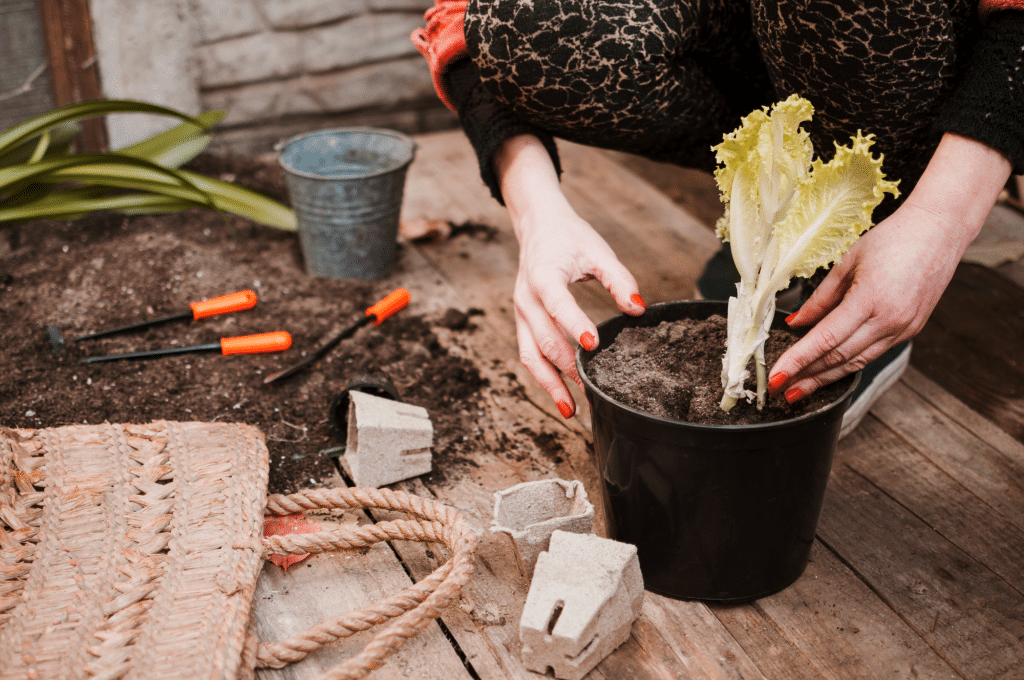
Why Garden Organization Matters for Maximum Yield in 2025
Organizing a garden in 2025 enhances efficiency, reduces waste, and supports sustainable food production. With urban gardening and smart technology trends on the rise, a well-organized garden maximizes space, time, and resources, ensuring bountiful harvests while aligning with environmental goals and modern lifestyles.
Key Tips for Organizing Your Garden for Maximum Yield
Here are effective strategies to optimize your garden’s layout and productivity:
1. Plan a Space-Efficient Layout
Design your garden to maximize usable space.
- How It Works: Use square-foot gardening or raised beds to organize crops tightly, planning layouts with apps like CubiCasa for precise measurements.
- Real-Life Impact: A homeowner uses raised beds to grow 20% more vegetables in a small backyard.
- Benefit: Increases planting density and simplifies maintenance.
- Tip: Sketch a grid layout to allocate space for high-yield crops like lettuce or tomatoes.
2. Group Plants by Needs
Cluster crops with similar water, light, and soil requirements.
- How It Works: Group sun-loving plants (e.g., tomatoes, peppers) and shade-tolerant crops (e.g., spinach) separately, using apps like Planta to track needs.
- Real-Life Impact: A gardener groups herbs together, streamlining watering and boosting growth.
- Benefit: Enhances plant health and reduces resource waste.
- Tip: Create a planting chart to group crops by sunlight or water needs.
3. Implement Vertical Gardening
Use vertical space to increase yield in small areas.
- How It Works: Install trellises, wall planters, or vertical towers for climbing plants like beans or cucumbers, ideal for balconies or patios.
- Real-Life Impact: An urban gardener grows 50+ herbs in a vertical tower on a 2×2-foot balcony.
- Benefit: Maximizes space and improves air circulation for healthier plants.
- Tip: Start with a DIY trellis for vining crops like peas.
4. Rotate and Succession Plant
Rotate crops and replant to extend harvests and maintain soil health.
- How It Works: Rotate crops seasonally to prevent soil depletion and plant fast-growing crops (e.g., radishes) every 2–3 weeks, using Gardenate for schedules.
- Real-Life Impact: A family plants lettuce biweekly, enjoying fresh greens for months.
- Benefit: Sustains soil fertility and ensures continuous harvests.
- Tip: Create a rotation plan to alternate heavy feeders (e.g., tomatoes) with light feeders (e.g., beans).
5. Use Smart Irrigation Systems
Automate watering to save time and optimize plant growth.
- How It Works: Install drip irrigation or smart systems like Rachio 3, which adjust watering based on weather and soil moisture.
- Real-Life Impact: A gardener uses drip irrigation, reducing water use while keeping plants thriving.
- Benefit: Conserves water and ensures consistent hydration, aligning with sustainability.
- Tip: Set up a basic drip line for one garden bed to test efficiency.
6. Maintain Organized Tools and Supplies
Keep gardening tools and materials accessible to streamline tasks.
- How It Works: Use labeled storage bins or a pegboard for tools, and track supplies with apps like Notion to avoid overbuying.
- Real-Life Impact: A gardener organizes tools in a shed, cutting prep time for planting.
- Benefit: Saves time and prevents misplaced equipment.
- Tip: Dedicate a small bin for frequently used tools like trowels and gloves.
Practical Strategies for Garden Organization
Here’s how to implement these tips effectively:
1. Start with a Garden Map
Create a visual plan to optimize space and crop placement.
- How to Do It: Use apps like CubiCasa or draw a garden layout, marking areas for crops, paths, and irrigation.
- Why It Helps: Ensures efficient use of space and resources from the start.
- Tip: Map one small garden section to test your layout before scaling.
2. Leverage Technology for Efficiency
Use smart tools to simplify garden management.
- How to Do It: Integrate apps like Planta or smart sensors (e.g., Gardena Soil Sensor) to monitor soil health and watering needs.
- Why It Helps: Automates tasks and provides data for better organization.
- Tip: Try a free app like Gardenate to track planting schedules.
3. Prioritize Soil Health
Organize soil maintenance for sustained productivity.
- How to Do It: Test soil with kits like Luster Leaf Rapitest and add compost or organic mulch regularly, sourcing from local compost programs.
- Why It Helps: Supports healthy plants and higher yields, aligning with sustainable practices.
- Tip: Start a small compost bin to recycle kitchen scraps.
4. Schedule Regular Maintenance
Dedicate time weekly to keep the garden organized.
- How to Do It: Spend 15–20 minutes weeding, pruning, or checking irrigation, tracking tasks with Trello or a notebook.
- Why It Helps: Prevents overgrowth and maintains an efficient garden.
- Tip: Set a weekly reminder for one task, like checking soil moisture.
5. Review and Adjust Seasonally
Spend 20–30 minutes each season assessing garden performance.
- How to Do It: Evaluate yields, soil health, or irrigation efficiency, adjusting layouts or crops with tools like Notion.
- Why It Helps: Ensures the garden adapts to seasonal changes and maximizes output.
- Tip: Plan one new crop or layout tweak per season.
Sample Routine for Garden Organization
Here’s a routine to keep your garden productive and organized:
- Daily:
- Morning (5 minutes): Check irrigation settings or inspect plants for pests.
- Evening (5 minutes): Water manually if needed or harvest ripe crops.
- Weekly:
- Sunday (15 minutes): Weed, prune, or add compost to one garden bed.
- Monthly:
- First Sunday (20 minutes): Test soil or adjust planting schedules.
- Seasonally:
- First week (30 minutes): Review yields and plan new crops or layouts.
Overcoming Common Gardening Challenges
- Challenge: Limited space for planting.
Solution: Use vertical gardening or containers to maximize small areas. - Challenge: Time constraints for maintenance.
Solution: Automate irrigation and start with low-maintenance crops like herbs. - Challenge: Poor soil or low yields.
Solution: Test soil regularly and use companion planting to boost growth.
Tools to Support Garden Organization
- Planning Apps: CubiCasa, Gardenate, Planta for layouts and schedules.
- Smart Technology: Rachio 3, Gardena Soil Sensor for irrigation and monitoring.
- Soil Health: Luster Leaf Rapitest, backyard composters for fertility.
- Storage: Labeled bins, pegboards for tool organization.
- Tracking: Notion, Trello for task and yield monitoring.
The Bigger Picture: Gardening in 2025
In 2025, organizing gardens for maximum yield aligns with trends toward sustainability, urban farming, and smart technology. Efficient layouts, vertical gardening, and automated systems enable abundant harvests while conserving resources. These practices support eco-conscious living, enhance food security, and create thriving, productive spaces for modern gardeners.
Conclusion: Boost Your Garden’s Yield in 2025
Organizing your garden for maximum yield in 2025 involves efficient layouts, smart irrigation, and sustainable practices. Start with a garden map, leverage technology, and review seasonally to optimize output. Begin today with one tip, like grouping plants, and transform your garden into a productive, eco-friendly haven.
References:
Smart Gardening: Tools for Efficient Organization
https://www.bhg.com/smart-gardening-2025/
High-Yield Gardening: Organizing for Maximum Output in 2025
https://www.thespruce.com/high-yield-gardening-2025
Sustainable Gardening Trends for 2025
https://www.gardendesign.com/trends/2025-sustainable-gardening

 How Technology Is Changing the Future of Work