Gardening Tips That Encourage Pollinator Growth
Thomas Redford October 6, 2025
In 2025, gardening tips that encourage pollinator growth focus on creating vibrant, sustainable habitats for bees, butterflies, and other pollinators essential to ecosystems and food production. These tips align with trends in regenerative gardening, native plant use, and biodiversity, ideal for homeowners, renters, or community gardeners. Building on prior insights from biophilic design and sustainable practices, this article explores six actionable gardening tips to support pollinators, incorporating short breaks for sustained energy, with practical steps and current references as of October 6, 2025.
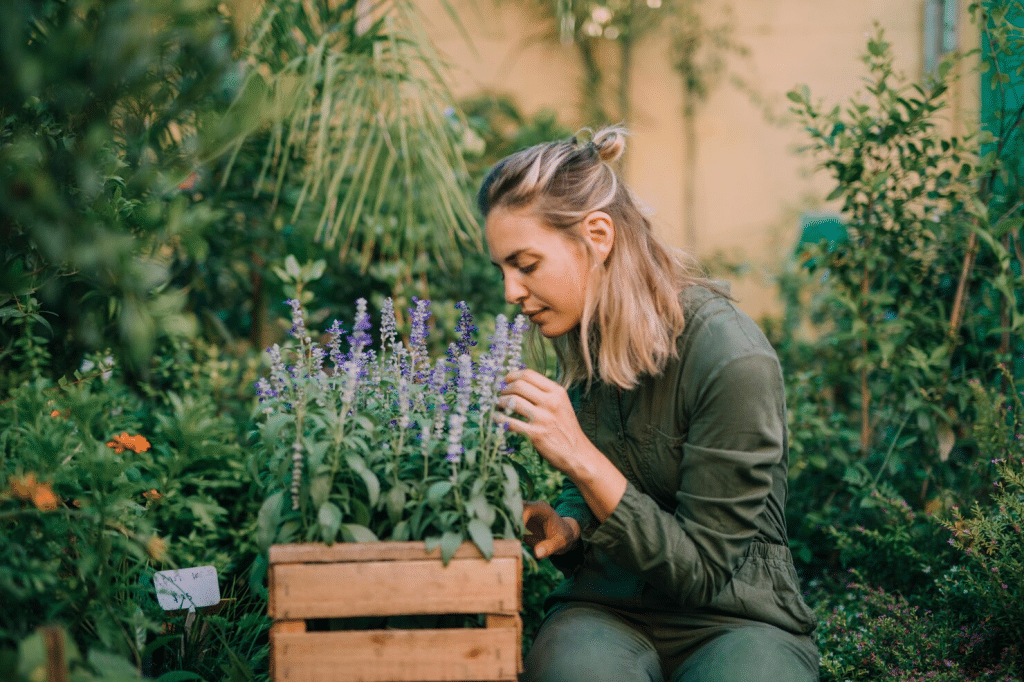
Why Pollinator-Friendly Gardening Matters in 2025
Pollinator-friendly gardening is critical in 2025 as 75% of global food crops rely on pollinators, yet bee populations have declined by 30–50% in recent decades. Pollinator gardens boost local biodiversity, increase crop yields by 20%, and enhance garden aesthetics. These practices promote sustainability and resilience, creating thriving, eco-conscious landscapes.
Key Gardening Tips for Pollinator Growth
Here are six practical tips to attract and support pollinators:
1. Plant Native Wildflowers
Choose native plants to provide nectar and pollen.
- How It Works: Plant species like coneflowers or milkweed from local nurseries, ensuring year-round blooms, with a 2-minute stretch break after planting.
- Real-Life Impact: A homeowner plants native bee balm, attracting bees and boosting garden pollination.
- Benefit: Natives are low-maintenance and ideal for local pollinators.
- Tip: Sow one native wildflower patch, like black-eyed Susans, this weekend.
2. Create Diverse Bloom Seasons
Ensure continuous flowers for pollinator food.
- How It Works: Plan early (crocus), mid (lavender), and late-season (aster) blooms using a garden planner like Gardenize, with a 3-minute breathing break after planning.
- Real-Life Impact: A gardener extends bloom seasons, supporting butterflies through fall.
- Benefit: Provides consistent nectar sources for pollinators.
- Tip: Map out one multi-season flower bed this week.
3. Avoid Pesticides and Use Organic Methods
Protect pollinators with natural pest control.
- How It Works: Use neem oil or companion planting (e.g., marigolds) instead of chemical pesticides, sourced from Bunnings, with a 2-minute mindfulness break after application.
- Real-Life Impact: A renter uses organic sprays, preserving bee populations in their garden.
- Benefit: Keeps pollinators safe from harmful chemicals.
- Tip: Replace one pesticide with an organic alternative this month.
4. Provide Water and Shelter Stations
Offer hydration and habitats for pollinators.
- How It Works: Set up shallow water dishes with pebbles or bee hotels from Etsy, with a 3-minute relaxation break after setup.
- Real-Life Impact: A family installs a bee hotel, hosting solitary bees year-round.
- Benefit: Supports pollinator survival and reproduction.
- Tip: Create one water station or bee hotel this weekend.
5. Incorporate Pollinator-Friendly Herbs
Grow herbs that double as pollinator attractants.
- How It Works: Plant basil, thyme, or oregano, letting them flower, sourced from local markets, with a 2-minute stretch break after planting.
- Real-Life Impact: A gardener grows flowering thyme, drawing hummingbirds and bees.
- Benefit: Enhances garden utility and pollinator activity.
- Tip: Plant one pollinator-friendly herb, like lavender, this week.
6. Maintain a Wild Corner
Leave a natural area for pollinator habitats.
- How It Works: Designate a small garden patch for wild growth or native grasses, monitored with PlantNet, with a 3-minute breathing break after planning.
- Real-Life Impact: A community garden leaves a wild corner, fostering butterfly breeding.
- Benefit: Creates safe spaces for pollinator nesting and rest.
- Tip: Plan one wild corner in your garden this month.
Practical Strategies for Pollinator-Friendly Gardening
Here’s how to implement these tips effectively:
1. Start with One Pollinator Project
Test a single tip to build momentum.
- How to Do It: Begin with native wildflowers or a water station, using free resources from The Spruce.
- Why It Helps: Creates quick pollinator benefits with minimal effort.
- Tip: Plant one native flower or set up a water dish today.
2. Use Digital Tools for Planning
Leverage apps to design pollinator gardens.
- How It Works: Plan with Gardenize or PlantNet for bloom schedules and plant IDs, aligning with 2025’s digital gardening trends.
- Why It Helps: Ensures optimal plant choices and layouts.
- Tip: Download one gardening app to plan a pollinator bed this week.
3. Incorporate Energy-Sustaining Breaks
Schedule short breaks to maintain gardening focus.
- How It Works: Take 2–3 minute breathing or stretching breaks during tasks, tracked with Breathwrk, to stay energized.
- Why It Helps: Prevents fatigue and enhances garden planning.
- Tip: Add one break during a gardening task today.
4. Source Sustainable Materials
Choose eco-friendly plants and supplies.
- How It Works: Buy native seeds or organic sprays from local nurseries or Freecycle to support sustainability.
- Why It Helps: Aligns gardening with environmental goals.
- Tip: Source one native plant or organic product this week.
5. Join Gardening Communities
Connect with others for pollinator tips.
- How It Works: Engage in X gardening groups or local Meetup events to share pollinator strategies.
- Why It Helps: Provides inspiration and practical advice.
- Tip: Join one X gardening thread this month.
Sample Routine for Pollinator-Friendly Gardening
Here’s a routine to sustain a pollinator-friendly garden:
- Daily:
- Morning (5 minutes): Check plants or water stations.
- Evening (5 minutes): Plan next planting or take a mindfulness break.
- Weekly:
- Sunday (10 minutes): Plant or maintain a pollinator area.
- Monthly:
- First Sunday (15 minutes): Review garden progress and add a feature.
- Quarterly:
- First week (20 minutes): Plan new pollinator projects.
Overcoming Common Pollinator Gardening Challenges
- Challenge: Limited garden space.
Solution: Use vertical gardens or pots for native plants. - Challenge: Lack of gardening knowledge.
Solution: Use apps or local nursery advice for guidance. - Challenge: Time constraints.
Solution: Focus on low-maintenance natives or small projects.
Tools to Support Pollinator Gardening
- Plants: Local nurseries for native wildflowers.
- Apps: Gardenize, PlantNet for planning and IDs.
- Supplies: Freecycle, Bunnings for organic products.
- Wellness: Breathwrk for energy-sustaining breaks.
- Community: X, Meetup for gardening support.
The Bigger Picture: Pollinator Gardening in 2025
In 2025, pollinator-friendly gardening aligns with trends toward biodiversity, regenerative practices, and digital tools. Native plants, organic methods, and wild corners support ecosystems while enhancing garden beauty. By leveraging technology and community insights, gardeners create vibrant, sustainable habitats.
Conclusion: Encourage Pollinator Growth with Gardening Tips in 2025
Gardening tips in 2025, like planting native wildflowers, avoiding pesticides, and creating shelters, encourage pollinator growth with sustainable, vibrant strategies. Start with one tip, use apps for planning, and take breaks to stay energized. Begin today by planting a native flower or joining an X gardening group, and cultivate a thriving pollinator haven.
References:
Digital Tools for Gardening 2025
https://www.bhg.com/digital-gardening-tools-2025/
Pollinator Gardening Trends 2025
https://www.thespruce.com/pollinator-gardening-2025/
Sustainable Gardening for Pollinators 2025
https://www.gardendesign.com/pollinator-gardening-2025/

 Steps to Build Entrepreneurial Confidence