Smart Home Solutions That Save Energy and Time
Michael Hawthorne September 22, 2025
In 2025, smart home solutions that save energy and time automate daily tasks, optimize resource use, and promote sustainable living, making homes more efficient and convenient. These innovations, powered by AI and IoT, reduce utility costs and effort. Drawing on insights from sustainable practices and smart tech trends, this article explores key solutions, with practical strategies and current references.
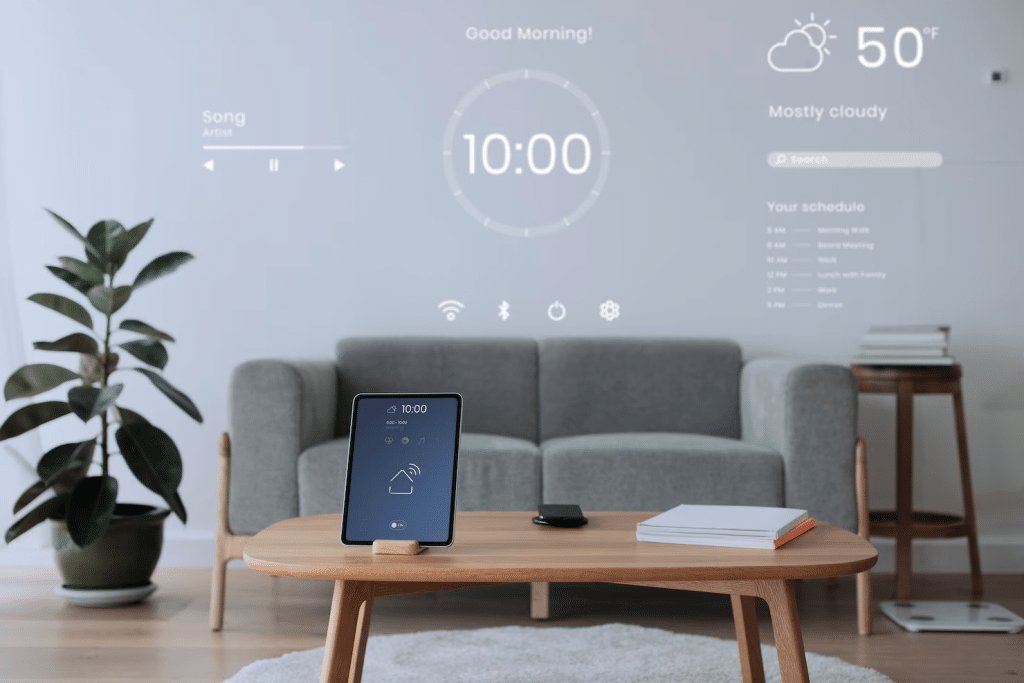
Why Smart Home Solutions Matter in 2025
Smart home solutions in 2025 are essential as 70% of households adopt IoT devices to cut energy use by up to 30% and save hours on maintenance. These systems address rising utility costs and busy lifestyles, aligning with eco-conscious trends. By integrating AI, they create responsive homes that enhance comfort while minimizing environmental impact.
Key Smart Home Solutions for Energy and Time Savings
Here are six innovative solutions that deliver dual benefits:
1. Smart Thermostats
Automatically regulate temperature for efficiency.
- How It Works: Devices like Google Nest or Ecobee use AI to learn schedules and adjust heating/cooling, saving energy when away.
- Real-Life Impact: A family lowers their thermostat automatically, reducing energy consumption.
- Benefit: Saves energy while simplifying climate control.
- Tip: Install one thermostat to automate daily temperature adjustments.
2. Smart Lighting Systems
Automate lights to eliminate waste.
- How It Works: Philips Hue or TP-Link Kasa bulbs connect to apps for scheduling or motion activation, turning off unused lights.
- Real-Life Impact: Lights dim in empty rooms, streamlining evening routines.
- Benefit: Cuts electricity use and saves time on manual switching.
- Tip: Add one smart bulb to a high-traffic area like the kitchen.
3. Energy Monitoring Devices
Track usage to identify savings.
- How It Works: Sense or Emporia monitors appliances via apps, alerting to high consumption for quick fixes.
- Real-Life Impact: A homeowner spots a standby appliance, unplugging it to save energy.
- Benefit: Provides data for targeted reductions.
- Tip: Use one monitor to track a major appliance like the refrigerator.
4. Smart Plugs for Appliances
Control outlets remotely to prevent standby power.
- How It Works: Kasa or Meross plugs schedule or shut off devices like chargers or fans, reducing phantom energy.
- Real-Life Impact: A user schedules a coffee maker, eliminating unnecessary power draw.
- Benefit: Saves energy with effortless automation.
- Tip: Plug one device, like a TV, into a smart plug.
5. Automated Window Treatments
Manage light and temperature with smart shades.
- How It Works: Lutron or IKEA FYRTUR shades open/close via apps or sensors, blocking heat to save on cooling.
- Real-Life Impact: Shades close during peak sun, keeping interiors cool.
- Benefit: Reduces AC use and automates light management.
- Tip: Install one smart shade in a sunny room.
6. Smart Irrigation for Gardens
Optimize outdoor watering to conserve resources.
- How It Works: Rachio or Orbit B-hyve adjusts schedules based on weather, saving water for lawns or gardens.
- Real-Life Impact: A gardener waters only when needed, maintaining plants efficiently.
- Benefit: Cuts water waste while automating upkeep.
- Tip: Connect one garden area to a smart controller.
Practical Strategies for Smart Home Solutions
Here’s how to adopt these solutions effectively:
1. Start with One Solution
Test a single device to experience benefits.
- How to Do It: Install a smart plug or thermostat, using its app for basic automation.
- Why It Helps: Builds familiarity with minimal effort.
- Tip: Choose one high-use solution, like a thermostat, to start.
2. Create Integrated Routines
Link devices for seamless automation.
- How to Do It: Use Google Home or Alexa to set routines, like “morning” to adjust thermostat and lights.
- Why It Helps: Saves time with unified control.
- Tip: Program one daily routine, like evening lights off.
3. Prioritize Eco-Friendly Devices
Select solutions with sustainability features.
- How It Works: Choose ENERGY STAR-rated tech or Matter-compatible systems for interoperability.
- Why It Helps: Maximizes savings and eco-impact.
- Tip: Verify one device’s energy rating before purchase.
4. Monitor and Adjust Weekly
Review performance to refine efficiency.
- How to Do It: Check app dashboards for usage data, tweaking settings as needed.
- Why It Helps: Identifies further optimizations.
- Tip: Spend 5 minutes weekly on one device’s data.
5. Join Smart Home Communities
Learn from others for better implementation.
- How to Do It: Engage in X smart home groups or Meetup events for tips and troubleshooting.
- Why It Helps: Provides practical advice and motivation.
- Tip: Join one X thread on smart tech monthly.
6. Review Systems Quarterly
Spend 20–30 minutes each quarter evaluating overall impact.
- How to Do It: Assess energy savings or convenience in Notion, planning additions.
- Why It Helps: Ensures long-term efficiency.
- Tip: Update one routine or device quarterly.
Sample Routine for Smart Home Management
Here’s a routine to maintain savings:
- Daily:
- Morning (5 minutes): Adjust thermostat or lights via app.
- Evening (5 minutes): Check alerts or schedule devices.
- Weekly:
- Sunday (10 minutes): Review energy dashboard and tweak settings.
- Monthly:
- First Sunday (15 minutes): Update one device’s firmware.
- Quarterly:
- First week (20 minutes): Evaluate savings and plan upgrades.
Overcoming Common Smart Home Challenges
- Challenge: Setup complexity.
Solution: Choose plug-and-play devices like smart plugs. - Challenge: Compatibility issues.
Solution: Opt for Matter-compatible tech. - Challenge: Privacy concerns.
Solution: Use secure networks and review settings.
Tools to Support Smart Home Solutions
- Thermostats: Google Nest, Ecobee for climate efficiency.
- Lighting: Philips Hue, TP-Link Kasa for automation.
- Monitoring: Sense, Emporia for usage insights.
- Plugs: Kasa, Meross for appliance control.
- Irrigation: Rachio, Orbit B-hyve for outdoor savings.
The Bigger Picture: Smart Homes in 2025
In 2025, smart home solutions for energy and time savings align with trends toward automation, sustainability, and convenience. These systems create efficient, eco-friendly homes that support modern lifestyles. By integrating AI and IoT, homeowners achieve seamless maintenance and reduced waste.
Conclusion: Save Energy and Time with Smart Homes in 2025
Smart home solutions in 2025, like thermostats, lighting, and plugs, save energy and time with effortless automation. Start with one device, create routines, and review quarterly for optimal results. Begin today with a smart plug or monitor, and enjoy a more efficient, sustainable home.
References:
Sustainable Smart Homes 2025
https://www.thespruce.com/sustainable-smart-homes-2025/
Smart Home Energy Trends for 2025
https://www.cnet.com/home/smart-home-energy-2025/
Time-Saving Smart Home Tech 2025
https://www.forbes.com/sites/home/2025/smart-home-time-savings/

 Gardening Tips That Encourage Eco-Friendly Practices