Surprising Ways Indoor Plants Transform Your Living Space
September 28, 2025
Discover how indoor plants do much more than just decorate your home. Explore how they can influence air quality, mood, and well-being while learning tips for choosing, arranging, and caring for indoor greenery to elevate your everyday environment.
Why Indoor Plants Matter for Health and Wellness
Adding indoor plants to your living spaces is more than a trend—it’s a lifestyle upgrade with meaningful wellness benefits. Many research studies have shown that having greenery in your home can impact your physical and emotional health. Plants filter toxins from the air, boost humidity, and create a natural sense of calm. For those looking to make their environment more inviting, exploring how indoor gardening improves everyday life can be an inspiring journey. Peace lilies, snake plants, and spider plants, commonly grown indoors, are celebrated for their air-purifying abilities (Source: https://www.epa.gov/indoor-air-quality-iaq/inside-story-guide-indoor-air-quality).
Physical health isn’t the only thing nurtured by living with plants. Room layouts that include houseplants are often perceived as more restful and welcoming. Researchers have noted that simply seeing leafy greens can reduce feelings of tension, boost mood, and encourage mindful routines. Creating pockets of greenery in the living room, kitchen, or office encourages natural breaks in your day—a perfect opportunity to reset and refocus. With so many varieties to choose from, there is an indoor plant that fits nearly every home style and lighting condition.
Beyond the scientific research, indoor gardening can foster a real sense of accomplishment. Watching a pothos vine trail across a bookshelf or seeing an orchid bloom on your windowsill connects you to nature’s cycles. Many people find nurturing plants offers a healing distraction from digital screens and the daily rush. These small acts of care contribute to improved mindfulness and emotional resilience, making life at home feel calmer, more inspiring, and distinctly alive.
Easy Indoor Plants for Beginners and Busy People
Starting with easy-care houseplants can set anyone up for success, even if gardening is new or time is short. Some of the most popular beginner-friendly varieties include the resilient pothos, dependable snake plant, and adaptable zz plant. These species are tolerant of lower light and irregular watering, making them ideal for busy households. Giving these plants a spot on a side table or shelf is a hassle-free way to enjoy green decor with little commitment (Source: https://hgic.clemson.edu/factsheet/gardening-indoor-plants).
The right plant can match nearly any schedule. Succulents, for example, thrive on neglect and only need a splash of water every couple of weeks. Spider plants and philodendrons can handle fluctuating indoor temperatures and stay vibrant with minimal attention. By choosing low-maintenance options, it’s possible to enjoy the healthful benefits of indoor gardening without feeling overwhelmed by plant care needs.
Not sure where to start? Local nurseries or home improvement stores often have robust selections and expert staff to help first-time buyers find just the right fit for their homes. Starter kits and mobile plant care apps can also help simplify the process, giving reminders for watering and care, and making the experience accessible for anyone. With so many pathways into indoor gardening, homeowners and renters alike can find solutions suited to their circumstances and taste.
Clever Ways to Arrange Plants for Visual Impact
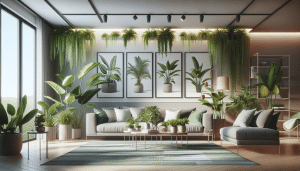
Styling plants isn’t just for magazine spreads—it’s more approachable than many realize. Mixing a variety of heights, shapes, and leaf colors creates vibrant focal points. Grouping three or more pots of different sizes adds visual movement to dull corners, while tall floor plants can anchor empty spaces. Plants can also be layered on shelves or hung in baskets to bring life to bare walls (Source: https://www.bhg.com/gardening/houseplants/projects/display-indoor-plants).
For small homes or apartments, maximizing vertical and horizontal space is key. Wall-mounted planters, window sills, and plant stands let greenery flourish without eating into valuable living space. Creativity shines when you repurpose everyday items—think of using a vintage teacup for a tiny cactus or an old ladder as a plant stand. These inventive solutions help integrate foliage seamlessly into any decor theme, from modern minimalist to rustic cottage vibes.
Lighting plays a critical role in sustaining plant health and appearance. Arranging plants to take advantage of available sunlight helps maintain their vibrancy and reduces the risk of wilting. South-facing windows work well for most houseplants, while shade-tolerant varieties can thrive in lower-light spots. Consider rotating pots regularly for even growth and to maintain a cohesive, lush look throughout the year. Don’t forget: the beauty of a plant display often unfolds over time as each species grows and evolves.
How Indoor Plants Support Better Indoor Air Quality
One of the most talked-about perks of indoor greenery is air purification. NASA research famously highlighted the potential of certain houseplants to filter out volatile organic compounds (VOCs) like benzene and formaldehyde, which can accumulate indoors. While a jungle’s worth of plants would be needed to purify all the air in a home, even a handful can reduce unpleasant odors and contribute to a fresher atmosphere (Source: https://nasa.fandom.com/wiki/NASA_Clean_Air_Study).
Beyond VOCs, indoor plants boost humidity by slowly releasing water vapor during transpiration. This can be valuable in dry climates or during winter, when heating systems dry out the air. Increased humidity helps maintain healthy skin, soothes dry throats, and may reduce some airborne irritants. Grouping several plants together in one room can amplify this benefit, making a noticeable difference in how comfortable indoor air feels day-to-day.
It’s important to manage expectations. While plants do help with air quality, they work best in conjunction with regular cleaning and ventilation. Dusting leaves, using the right soil, and ensuring good airflow will all support a healthier environment. Even so, the act of tending to your indoor garden can foster a sense of intention and care for the spaces you inhabit, making home feel cleaner and more inviting overall.
Tips for Long-Term Plant Care that Anyone Can Master
Consistency is the cornerstone of healthy indoor plants. Setting a regular schedule for watering, checking soil moisture, and cleaning leaves can help prevent many common issues. Avoid overwatering by allowing the top inch of soil to dry out before watering most species, and always use containers with drainage holes to prevent root rot. Regular inspections also allow early intervention if pests or disease symptoms appear (Source: https://extension.umn.edu/houseplants/houseplants-indoor-gardening).
Fertilizing is another important consideration, especially during spring and summer. Using appropriate plant food supports lush growth and periodic blooms in flowering varieties. However, it’s easy to overdo it—less is often more when fertilizing houseplants. For most, feeding every few months with diluted fertilizer works well. Monitoring plant placement during seasonal changes can also maximize natural light, keeping greenery robust year-round.
Repotting plants as they outgrow their containers promotes healthy roots and ongoing development. This can be a rewarding process, letting you see progress firsthand and experiment with new soil blends or decorative pots. Ultimately, a little attention goes a long way. Even beginners can master the basics of plant care, which opens the door to growing rare species, propagating favorites, or simply enjoying the ever-evolving beauty of houseplants in every room.
Emotional and Creative Benefits of Living with Greenery
Sharing your living space with plants taps into a deep sense of connection with the natural world. Many people use their indoor gardens as creative outlets—arranging plants, choosing pots, and designing small vignettes can be a fun artistic exercise. As your confidence grows, plant care transforms from a chore into a grounding ritual and a daily chance to witness life unfolding gradually.
Studies show that contact with plants can foster patient, nurturing mindsets, and reduce feelings of stress. Indoor gardens are also a great way for families to practice teamwork and encourage children to develop responsibility. Watching new leaves sprout or flowers bloom creates lasting moments of joy and curiosity, drawing attention to the beauty found in ordinary routines. These little discoveries help cultivate gratitude for home and nature alike (Source: https://www.apa.org/monitor/2020/04/nurtured-nature).
Social benefits abound as well. Houseplants can become conversational centerpieces during gatherings and often spark lively exchanges about tips, tricks, and memorable plant adventures. Online plant communities offer supportive spaces to share successes and troubleshoot challenges. Nurturing greenery indoors truly supports a fuller, brighter, and more rewarding home life, regardless of space, budget, or experience level.
References
1. United States Environmental Protection Agency. (n.d.). The Inside Story: A Guide to Indoor Air Quality. Retrieved from https://www.epa.gov/indoor-air-quality-iaq/inside-story-guide-indoor-air-quality
2. Clemson Cooperative Extension. (n.d.). Gardening — Indoor Plants. Retrieved from https://hgic.clemson.edu/factsheet/gardening-indoor-plants
3. Better Homes & Gardens. (n.d.). Plant Display Ideas: 15 New Ways to Show Off Your Houseplants. Retrieved from https://www.bhg.com/gardening/houseplants/projects/display-indoor-plants
4. NASA. (n.d.). Clean Air Study. Retrieved from https://nasa.fandom.com/wiki/NASA_Clean_Air_Study
5. University of Minnesota Extension. (n.d.). Houseplants: Indoor Gardening. Retrieved from https://extension.umn.edu/houseplants/houseplants-indoor-gardening
6. American Psychological Association. (2020). Nurtured by Nature. Retrieved from https://www.apa.org/monitor/2020/04/nurtured-nature

 What You Miss About Low Maintenance Garden Design