You Could Transform Your Space With Indoor Vertical Gardens
November 10, 2025
Unlock the secrets to indoor vertical gardens and discover how this trend can revolutionize your living environment. Learn about setup options, plant choices, maintenance tips, and the surprising benefits of bringing nature inside—while optimizing space and enhancing indoor air quality.
Why Indoor Vertical Gardens Capture Attention
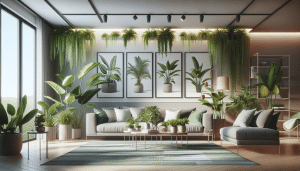
Indoor vertical gardens offer a vivid pop of greenery for homes where space is at a premium. This gardening technique involves growing plants upwards on walls or specially designed structures, making it possible to cultivate lush, living art indoors. Many city dwellers and small-home enthusiasts have turned to vertical gardening because it lets them enjoy nature in environments that might otherwise feel sterile. Elevating greenery doesn’t just look impressive; it also creates a striking focal point in any room, sparking curiosity among guests and household members alike. As more people seek efficient ways to revive their home’s ambiance and purify their air, interest in indoor vertical gardens continues to rise.
The appeal goes beyond just aesthetics. Scientific studies have shown that vertical greenery can support better air quality by helping absorb certain airborne toxins. As urban spaces grow denser and concern about indoor air grows, vertical gardens have emerged as a promising, wellness-driven solution for home improvement. Some residents report that simply seeing and caring for their plants reduces stress and encourages mindful daily habits. Embracing indoor garden wall ideas becomes both a statement and a lifestyle shift—encouraging a closer relationship to the natural world even within high-rise apartments or tightly designed homes.
Other hidden advantages include the creation of microclimates that help regulate humidity and provide a calming, restorative feel. Whether it’s a kitchen herb wall, a living room display, or a bedroom oasis, vertical gardens adapt to many interior design themes. The process offers endless flexibility—from systems made of felt pockets to creative upcycling of old pallets. The world of indoor vertical gardening invites experimentation, allowing each home to reflect the taste and values of its owner while nurturing a healthier living space.
Choosing the Right Plants for Wall Gardens
Selecting the right plants is crucial for an indoor vertical garden’s success. Not all greenery thrives in the same light or humidity, so it helps to consider both your environment and your willingness to provide care. Many popular choices include pothos, philodendrons, ferns, spider plants, and peace lilies due to their resilience and adaptability. These varieties do well in indirect light and are relatively forgiving to occasional lapses in watering, making them excellent options for busy households. The right plant combination adds a rich layer of color and texture, ensuring the wall garden grabs attention every time someone enters the room.
Some homeowners integrate culinary herbs or edible microgreens into their living walls, turning garden art into a kitchen resource. Basil, mint, parsley, and chives are favorites for these edible displays; they thrive indoors and provide easy access to fresh ingredients. It’s wise to check each plant’s water, soil, and light requirements, grouping together those with similar needs. This approach boosts growth consistency and simplifies maintenance, enhancing the enjoyment of the vertical gardening process. Healthy, vibrant plants also serve as the best advertisement for exploring new varieties and expanding your green wall over time.
Environmental factors like light, air movement, and humidity can vary across different home locations. Placing shade-tolerant plants on the lower rows and those requiring more sun higher ensures every species gets the right conditions. Some vertical gardens blend foliage with flowering varieties, adding splashes of color that shift with the seasons. Over time, many plant lovers experiment and find which combinations suit their particular space best, learning from experience and enjoying the journey of indoor gardening.
Essential Systems and Structures for Vertical Gardens
Vertical gardens can be as simple or high-tech as desired, ranging from DIY shelving units to modular, soil-free systems that use hydroponics. Many beginners start with felt pocket panels or stacked planters attached to walls, offering a user-friendly way to build a living display. For advanced enthusiasts, systems with automated irrigation and growth lights can support more demanding species year-round. The selection of structure depends on budget, commitment to maintenance, and aesthetic goals. Properly installed support structures are essential to safely manage plant weight and ensure roots receive ample air circulation.
Water management is a top priority for indoor gardens on vertical surfaces. Designs that drain excess moisture efficiently help prevent rot and dampness problems. Some commercial systems feature built-in reservoirs or drip irrigation, ideal for larger or more elaborate walls. Smaller setups often rely on hand-watering or gravity-fed trays placed strategically to minimize mess. Exploring different options makes it easier to match your garden ambition to practical constraints like available time and room size. Whether the wall garden is a weekend DIY project or a professional installation, careful planning leads to greater satisfaction and longevity.
Material choices also shape the outcome. Recycled wood, metal grids, and plastic framing all work, though some materials suit certain plant varieties better. Modular panels are often favored for flexibility—they can expand, rearrange, or replace segments to keep your display fresh. Attaching a breathable backing behind your vertical system can protect the underlying wall and offer extra stability. Innovations continue to emerge in this field, empowering gardeners to experiment, adapt, and craft living art tailored to any space.
Maintenance Wisdom: Keeping Vertical Gardens Thriving
Routine care is the backbone of any successful indoor vertical garden. Plants on walls require consistent moisture, balanced nutrition, and periodic cleaning to reach their full potential. Checking soil moisture every few days and responding according to each plant’s preferences prevents both underwatering and root rot. Owners quickly learn to spot early signs of stress, such as yellowing leaves or reduced growth, and can act promptly to restore plant health. A little regular attention produces lush, abundant greenery—serving as motivation for ongoing care and observation.
Pruning plays a crucial role too. Removing faded leaves and shaping overgrown stems allows the wall garden to retain its intended silhouette while encouraging bushier, healthier growth. It also limits the risk of pest buildup or disease spreading among closely packed plants. For gardens with edible components, harvesting mature leaves or herbs ensures a continuous supply for the kitchen and stimulates further development. Many vertical garden owners develop a routine rhythm, spending a few minutes a week grooming, dusting, and adjusting their display to remain vibrant.
Proper lighting, especially for those with limited window space, can make or break the indoor growing experience. Supplemental grow lights designed to mimic daylight provide essential energy for robust leaf production, particularly during darker months. Slow-release or liquid fertilizers replenish key nutrients, aiding in long-term vitality. Small investments in timers, misters, or sensors often pay off by reducing worries and simplifying ongoing maintenance. Over time, consistent effort and learning lead to a flourishing, sustainable vertical garden that truly transforms the home environment.
Surprising Benefits of Green Walls in Your Home
Indoor vertical gardens deliver more than just visual excitement. Studies consistently link increased indoor greenery to mental health improvements, like reductions in stress and heightened feelings of well-being. The tactile experience of tending to plants can instill a sense of purpose and routine. Guests and family are naturally drawn to vibrant, living walls, making them conversation pieces in homes and workplaces alike. The healthful impact goes beyond mood—plants help remove certain airborne toxins and manage indoor climate.
Energy efficiency also gets a boost. Green walls can create natural insulation, reducing the need for artificial climate control and, by extension, lowering household energy costs. In rooms prone to excess dryness in winter, plants help regulate relative humidity, making the air more comfortable. Exposure to greenery may even improve cognitive function and productivity, adding value for those who work from home or study in these living spaces. Each of these benefits contributes to a sense of home transformation that reaches beyond décor.
Some individuals report that working with their vertical garden has inspired them to adopt more sustainable habits, such as composting, recycling, and supporting local plant nurseries. The hands-on engagement fosters a mindfulness of resource consumption and environmental impact, while the sheer beauty of living art encourages ongoing curiosity. In this way, indoor green walls have the capacity to enrich homes physically, emotionally, and even ethically—becoming symbols of a balanced lifestyle.
Creative Design Inspirations and Personalizing Your Installation
Vertical gardens allow incredible room for creativity. Arranging plants in patterns—such as waves, stripes, or geometric shapes—can align your space with modern design trends or express a unique, personal vision. Colorful foliage or seasonal flowering species add another layer of appeal, keeping the display dynamic throughout the year. Incorporating decorative elements like stones, ceramics, or small lights further enhances the wall, making it feel intentional and bespoke. Every project becomes an experiment in bringing personality to plant arrangements.
Several designers encourage homeowners to blend art and function by including shelving for books, artwork, or collectibles within the garden. This approach leverages greenery as both a background and a centerpiece, highlighting the interplay between nature and daily life. Repurposing salvaged materials—like wood planks, glass jars, or old metal grates—can make the installation eco-friendly and budget-friendly. It invites storytelling, where each piece contributes to the evolving narrative of home and garden design. Personal touches guarantee that no two vertical gardens are ever exactly alike.
The path to a statement-making vertical garden is unique for every space. Whether the vision is minimalist or jungle-inspired, the important thing is to experiment and iterate. Resources abound online and in gardening communities, offering ideas for both seasoned plant parents and complete novices. Some enthusiasts even share their progress on social platforms, building supportive networks and finding fresh inspiration. Ultimately, the joy comes from watching your living wall grow and adapt as your own style and needs do the same.
References
1. American Society of Landscape Architects. (n.d.). The Benefits of Green Walls. Retrieved from https://www.asla.org/ContentDetail.aspx?id=5928
2. Environmental Protection Agency. (n.d.). Indoor Air Quality: Plants and Air Purifying. Retrieved from https://www.epa.gov/indoor-air-quality-iaq/air-cleaners-and-air-filters-home
3. Royal Horticultural Society. (n.d.). How to Grow a Living Wall or Vertical Garden. Retrieved from https://www.rhs.org.uk/gardeninspiration/plants/vertical-gardens
4. University of Georgia Extension. (n.d.). Indoor Plants and Health. Retrieved from https://extension.uga.edu/publications/detail.html?number=B1318
5. Green Infrastructure. (n.d.). The Social Benefits of Living Walls. Retrieved from https://www.greeninfrastructure.eu/living-walls
6. The Spruce. (n.d.). Tips for Creating a Vertical Garden Indoors. Retrieved from https://www.thespruce.com/vertical-garden-indoors-5092966

 You Could Transform Daily Life With Artificial Intelligence